
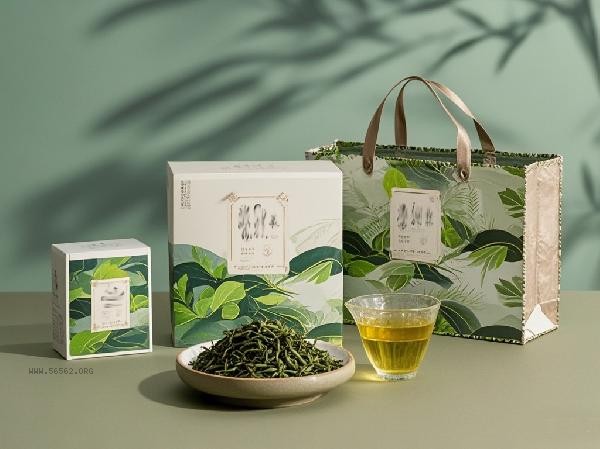
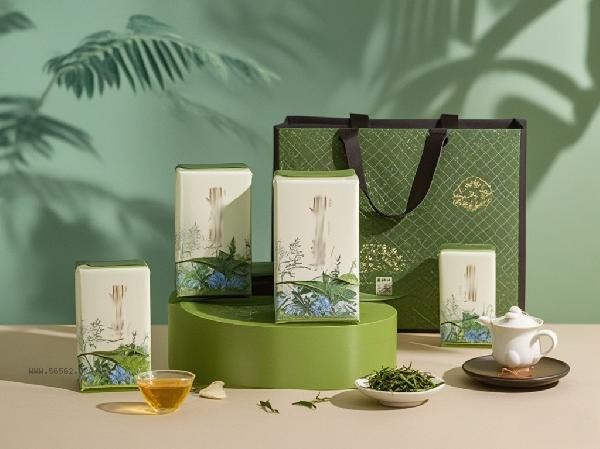
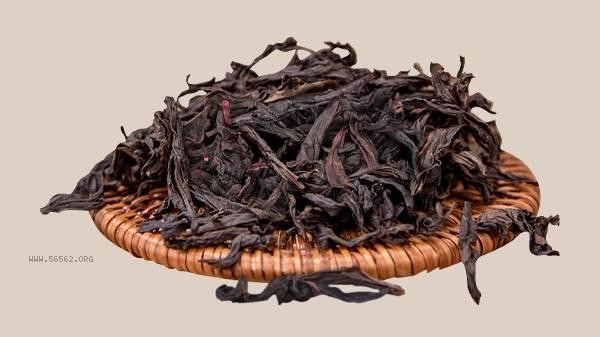
Whether tea needs to be stored in the refrigerator depends on the type of tea. Green tea, light aroma oolong tea, etc. are suitable for refrigeration, while Pu erh, black tea, etc. are not recommended for refrigeration. The preservation of tea is mainly influenced by factors such as oxidation degree, humidity sensitivity, fermentation process, storage period, and aroma characteristics. Green tea and light aroma oolong tea contain a lot of unsaturated components, which are prone to oxidation and deterioration at room temperature. This type of tea is suitable for sealing and storing in the refrigerator's refrigeration layer, with a temperature controlled between 0-5 degrees Celsius. Aluminum foil bags or tin cans should be used for sealing during refrigeration to avoid absorbing refrigerator odors. After taking it out of the refrigerator, it should be allowed to stand at room temperature before opening to prevent condensation from getting damp. However, it should be noted that the refrigeration storage time should not exceed 12 months, otherwise the aroma will gradually dissipate. Post fermented teas such as Pu erh and black tea require contact with air to complete the conversion process, and the low-temperature environment of the refrigerator can inhibit microbial activity. This type of tea should be stored in a cool and ventilated place, with a relative humidity between 60-70%. Although white tea has a low degree of fermentation, traditional techniques require natural aging, and refrigeration is also not recommended. Partially roasted rock tea, Phoenix Dancong, etc., can better maintain the fragrance of pyrotechnics by being sealed at room temperature. If mold or odor is found on the tea leaves, they should not be consumed regardless of the type. Regardless of the storage method used, tea containers should be sealed away from light and kept away from sources of odors such as kitchens. Ceramic jars and purple clay jars are suitable for short-term storage, and it is recommended to use tin cans for long-term storage. Store different types of tea separately to avoid cross flavors. Regularly check the condition of tea leaves. Green tea is best for its freshness and fragrance, while fermented tea with aged aroma is a normal phenomenon. Properly preserved tea leaves can maximize the retention of beneficial components such as tea polyphenols and amino acids. It is recommended to choose a suitable storage method based on the characteristics of tea leaves and consume them within the optimal flavor period.








Comments (0)
Leave a Comment
No comments yet
Be the first to share your thoughts!