
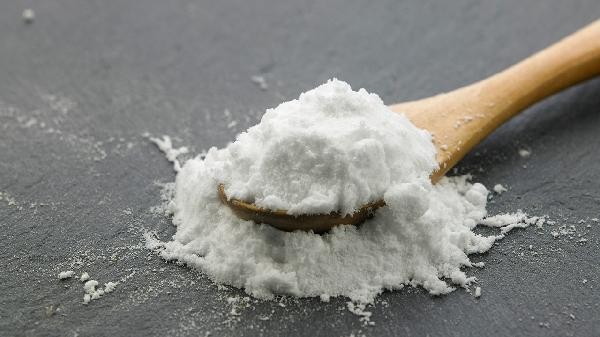
Strawberries can be cleaned with baking soda or salt. Baking soda is more suitable for removing pesticide residues, while salt is more suitable for sterilization and disinfection. Baking soda is a weakly alkaline substance that can neutralize some acidic pesticide residues and has a good decomposition effect on fat soluble pesticides. Soak strawberries in a 1% concentration solution of baking soda water for about ten minutes, and gently stir to remove most of the surface pesticide residues. Baking soda solution can also maintain the integrity of strawberry skin and avoid damage during the cleaning process. However, it should be noted that the concentration of baking soda should not exceed 3%, otherwise it may affect the taste of strawberries.

Salt has antibacterial properties and has a good effect on removing common molds and bacteria on the surface of strawberries. Soaking strawberries in 3% saline solution for five to eight minutes can effectively reduce microbial contamination. After soaking in salt water, rinse thoroughly with running water to avoid residual salt affecting sweetness. The physical friction of salt can help remove some dirt, but its effectiveness in removing pesticide residues is weaker than baking soda. Salt washing is more suitable for quick cleaning and processing of ready to eat strawberries.
Before cleaning strawberries, the stem should be kept to prevent contamination of the flesh, and the cleaning process should avoid rubbing and squeezing. After cleaning with baking soda or salt, rinse with running water for at least thirty seconds. Strawberries have fragile skin and should be consumed or refrigerated as soon as possible after cleaning. Special populations such as infants and young children are recommended to use baking soda cleaning method before consumption, and those with allergies need to test their tolerance to cleaning agents. Daily cleaning can alternate between two methods according to actual needs, while paying attention to selecting strawberries from legitimate channels to reduce the risk of pesticide residues.








Comments (0)
Leave a Comment
No comments yet
Be the first to share your thoughts!