
It is recommended to refrigerate and store soybean sprouts overnight. Soaking in water can easily breed bacteria and cause spoilage, while refrigeration can delay spoilage and retain more nutrients.

Soybean sprouts are rich in water and protein. Soaking them in water at room temperature can accelerate bacterial growth, especially in summer when they are prone to rot and become sticky. The refrigeration temperature can inhibit microbial activity and reduce the loss of water-soluble nutrients such as vitamin C. Put it in a fresh-keeping box or sealed bag and store it in the refrigerator compartment for 1-2 days. After taking it out, observe for any odor or discoloration. If the roots of the bean sprouts turn black or the surface is slippery, they should be discarded immediately.

In special circumstances where short-term soaking in water is necessary, it is recommended to use cold boiled water and store it in a cool place. It should be consumed within 2 hours. Soaking in water can cause bean sprouts to absorb water, swell, and have a worse taste, and minerals in the water may accelerate chlorophyll decomposition, causing bean sprouts to turn yellow. Blanching and freezing can prolong storage time, but the texture will become soft after thawing, making it suitable for stewing.
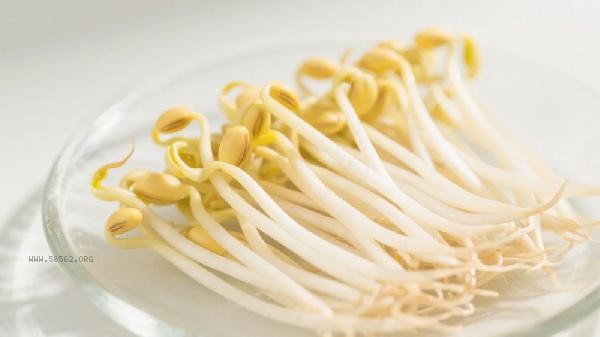
When storing soybean sprouts in daily life, it is recommended to consume them as soon as possible after purchase to ensure freshness. Remove the rotten parts during cleaning and avoid rubbing and damaging the cell structure with force. Rinse with running water before cooking to remove surface impurities, and stir fry quickly over high heat to preserve the crispy and tender taste to the maximum extent. People with spleen and stomach deficiency and cold should not consume excessively. For those with weak digestive function, ginger shreds or Sichuan peppercorns can be used for cooking to neutralize the coldness.








Comments (0)
Leave a Comment
No comments yet
Be the first to share your thoughts!