
Scallions can be stored at room temperature or refrigerated, but refrigeration is more suitable for extending their shelf life. The storage method of scallions mainly depends on the environmental temperature, humidity, and frequency of use.

Room temperature storage is suitable for short-term use and in low ambient temperatures. Place the roots of scallions facing downwards in a cool and ventilated place, avoiding direct sunlight, to keep the scallion leaves upright and prevent water loss. Scallions stored at room temperature can usually maintain their freshness for 3-5 days, making them suitable for immediate use in the kitchen. However, high temperatures or humid environments can easily cause green onions to mold or soften, so regular inspections and removal of spoiled parts are necessary.
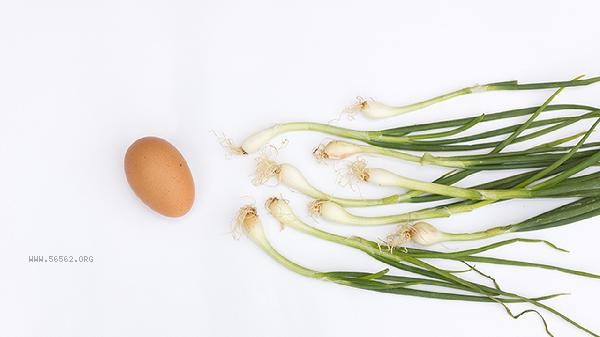
Refrigerated storage can significantly extend the shelf life of scallions. After washing and drying the scallions, wrap them in kitchen paper and place them in a fresh-keeping bag, then place them in the vegetable compartment of the refrigerator. Low temperature environment can inhibit bacterial growth and keep scallions crispy and tender for about 1-2 weeks. When refrigerating, be careful to avoid contact with other strongly scented foods to prevent cross contamination. If you need to store for a longer period of time, you can cut the scallions into sections and freeze them, but the taste will be slightly inferior to fresh scallions after thawing.

Regardless of the storage method chosen, it is recommended to prioritize the use of scallion leaves, as scallion white is more resistant to storage. Avoid squeezing or sealing too tightly during daily storage, and regularly check for signs of decay. If the scallions have a sticky, unpleasant odor or obvious wilting, they should be discarded immediately. Reasonably preserved scallions can maximize their spicy flavor and nutritional components, such as active substances such as vitamin C and sulfides.








Comments (0)
Leave a Comment
No comments yet
Be the first to share your thoughts!