
It is recommended to refrigerate the sliced potatoes. If they need to be stored for a long time, they can be frozen, but the taste may deteriorate. The storage method of potatoes is mainly influenced by factors such as storage time, cooking purpose, and nutrient loss.
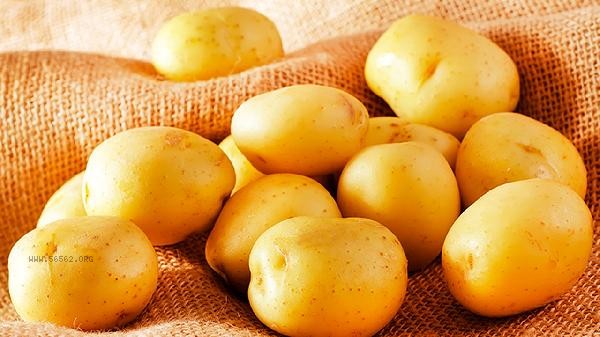
Storing potatoes in refrigeration can maintain good texture and flavor, and is suitable for consumption within 1-3 days. When refrigerating, the peeled potatoes should be soaked in clean water to isolate the air. A little white vinegar can be added to the water to delay oxidation. The container should be sealed to avoid absorbing refrigerator odors. Controlling the refrigeration temperature at around 4 ℃ can effectively inhibit germination, but it is necessary to change the water daily to prevent microbial growth. Short term refrigeration has little effect on vitamin C and starch structure, making it suitable for making dishes such as stir fried potato shreds and cold dishes that require a crisp texture.
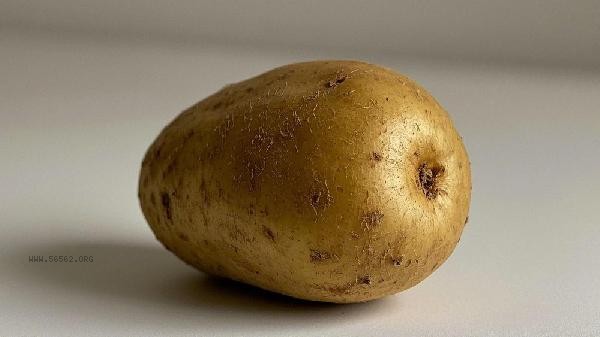
Cryopreservation is suitable for situations where storage is required for more than a week, but it can cause the cell wall to become soft and fragile due to tearing. Peeled potatoes need to be drained of water and sealed in bags to release air. After freezing, starch will be converted into resistant starch, affecting digestion and absorption rate. After thawing, it is only suitable for making mashed potatoes, stews, and other dishes that do not require shaping. The loss of vitamin B group is more significant during the freezing process. If you plan to deep fry or fry, frozen potatoes are prone to water leakage and pose a risk of oil splashing. Whether refrigerated or frozen, peeled potatoes should be avoided from exposure to air to prevent browning. It is recommended to choose the storage method according to the consumption plan, with refrigeration prioritizing the preservation of nutrients and taste, and freezing suitable for emergency storage. Before cooking, check for any signs of spoilage such as stickiness or discoloration. Potatoes that have sprouted or turned green should be discarded and not eaten. Reasonable storage can reduce food waste while ensuring dietary nutrition and safety.








Comments (0)
Leave a Comment
No comments yet
Be the first to share your thoughts!