
Both saltwater and alkaline water can be used to wash chives, but saltwater is more suitable for removing surface insect eggs, while alkaline water is more conducive to decomposing pesticide residues.
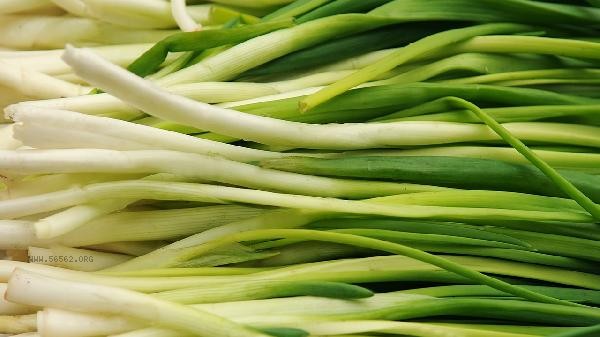
Soaking in salt water can dehydrate and detach the eggs through osmotic pressure, especially for the hidden eggs in the roots of chives. It is recommended to soak in salt water with a concentration of 3% for about ten minutes, during which gently rub the root gaps with your hands. Salt water has weak corrosiveness and will not damage the cell structure of chives. After washing, the impact on taste is relatively small. However, it should be noted that excessive salt water concentration may cause chives to lose water and wilt. Alkaline water can neutralize the acidic components of organic phosphorus pesticides and has a better decomposition effect on fat soluble pesticides than saltwater. Mix edible alkali and water in a ratio of 1:500, and keep the soaking time within five minutes. Prolonged soaking can lead to the loss of chlorophyll in chives. After washing with alkaline water, rinse repeatedly with running water to avoid bitter taste caused by residual alkaline solution. People with sensitive gastrointestinal tract should use chives treated with alkaline water with caution. Regardless of the method chosen, the yellow leaves should be removed and the sediment at the roots should be cut off before cleaning. After cleaning, cook as soon as possible to avoid nutrient loss. It is recommended to rinse the chives under flowing water for more than 30 seconds, and use a soft bristled brush to gently brush the folds of the leaf sheath. If abnormal odor or mucus is found in chives, they should be stopped from consumption. When storing chives in daily life, it is necessary to keep them dry and ventilated, and avoid mixing them with other strongly scented ingredients.








Comments (0)
Leave a Comment
No comments yet
Be the first to share your thoughts!