
Using starch or flour when washing fruits can effectively remove surface dirt, but starch has stronger adsorption power and is more suitable for cleaning fruits with wax or unevenness.
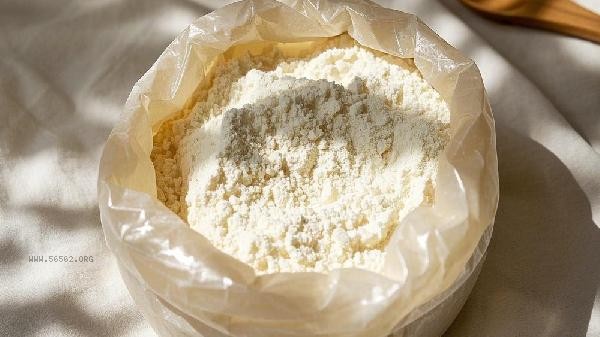
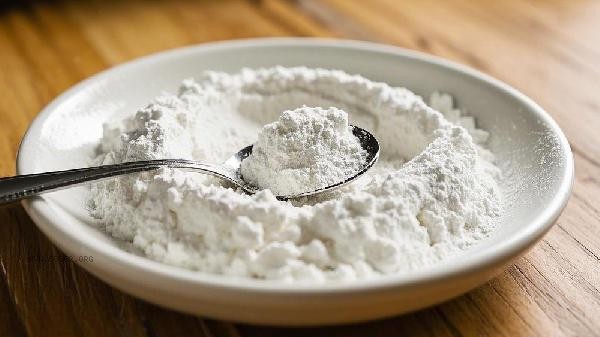
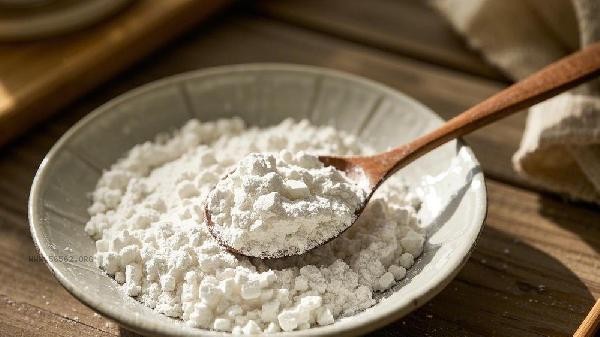
Starch particles are small and have strong adsorption properties, which can penetrate deep into the crevices of fruit skin to carry away pesticide residues and dust. Soak fruits in water with a spoonful of starch, gently rub and rinse, especially suitable for fruits with fragile skin such as grapes and strawberries. Flour is more suitable for cleaning hard fruits such as apples and pears. Its stickiness can take away some fruit wax, but it should be noted that flour may remain at the fruit stem and needs to be washed thoroughly. Both materials are more effective than pure water, but starch solution is easier to float and leaves no residue. In special circumstances, flour may be more suitable for handling large amounts of oily stains. For example, tropical fruits such as mangoes and durians may be contaminated with gum or oil on their surfaces, and flour has better adhesion properties to wrap around such impurities. But the soaking time needs to be extended to more than 10 minutes, and gently cleaned with a soft bristled brush to avoid damaging the skin. After washing the flour, it is recommended to rinse it repeatedly with running water to prevent starch residue from affecting the taste. Regardless of the method chosen, it is recommended to rinse with purified water for a second time after cleaning. Peel fruits with skin as much as possible for consumption. Strawberries and other fruits that cannot be peeled can be soaked in light salt water for sterilization. Avoid placing unwashed fruits directly in the refrigerator during daily storage to prevent cross contamination. For fruits with high risk of pesticide residues, organic products can be prioritized or soaking time can be extended to 15 minutes or more.








Comments (0)
Leave a Comment
No comments yet
Be the first to share your thoughts!