
When frying beef jerky, it is recommended to first use high heat to quickly solidify and lock in the meat juice, and then turn low heat to slowly fry until crispy. The control of heat directly affects the taste and nutritional retention of the finished product. When frying beef jerky, the initial high temperature can quickly solidify the protein on the surface of the meat to form a protective layer, reduce internal water loss, and maintain the freshness and tenderness of the meat. Using an oil temperature of around 180 degrees Celsius, the surface of the meat strips can quickly char to avoid excessive oil absorption, while high temperatures can effectively kill surface bacteria. However, if the fire lasts for a long time, the outer layer is likely to be burnt and the inner layer is not dry. It needs to be adjusted to medium and small fire after 1-2 minutes. At this time, the oil slowly penetrates, and the muscle fibers gradually dehydrate and contract, which is conducive to forming a uniform crispy texture. It is ideal to control the temperature at 120-150 degrees Celsius. If the fire is kept low throughout the process, it can cause the meat to turn dry and the oil to seep in too much, affecting health. But in special circumstances such as making children's or elderly food, the hardness can be reduced by using low heat throughout the process. Please note that the low heat and slow frying time should be extended to 8-10 minutes, during which frequent flipping is necessary to avoid local overheating. For meat strips with a thickness exceeding 1 centimeter, they can be steamed and pre treated before frying to reduce the difference in internal and external ripeness.
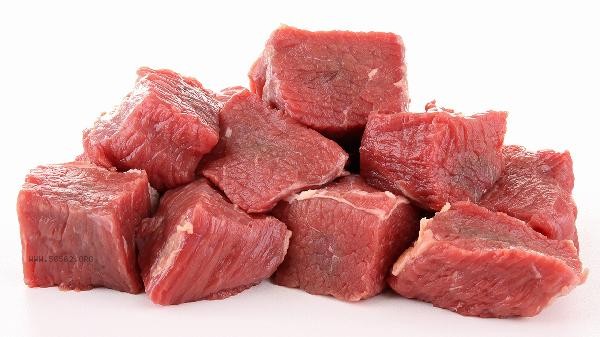
When making, select lean meat parts to remove fascia, cut them into strips, and first marinate them with cooking wine and ginger slices to remove fishy smell. After frying, drain the oil and store it in a sealed container after cooling. It is recommended to pair with fresh vegetables and fruits to supplement the vitamins and dietary fiber that fried foods lack. hypertensive patients should control their single consumption and avoid excessive sodium intake. Homemade beef jerky can reduce the intake of additives, but attention should be paid to the freshness of the ingredients and storage hygiene.








Comments (0)
Leave a Comment
No comments yet
Be the first to share your thoughts!