
Baking soda is more suitable than edible alkali when washing vegetables. Baking soda can effectively remove pesticide residues and has less nutritional damage to vegetables. Edible alkali may damage water-soluble vitamins and is suitable for treating specific stubborn stains. Baking soda is weakly alkaline when dissolved in water and can react chemically with most organophosphorus pesticides, breaking them down into water-soluble substances. Soaking for about 10 minutes can remove most of the surface residue, causing minimal damage to the cell structure of vegetables, especially suitable for cleaning leafy vegetables. Its fine particles will not wear down the vegetable skin, and there is no residual risk after rinsing. It can be safely used by pregnant women and children. However, it should be noted that the concentration should not be too high. Add about 5 grams to one liter of water, as excessive use may affect the taste of vegetables.
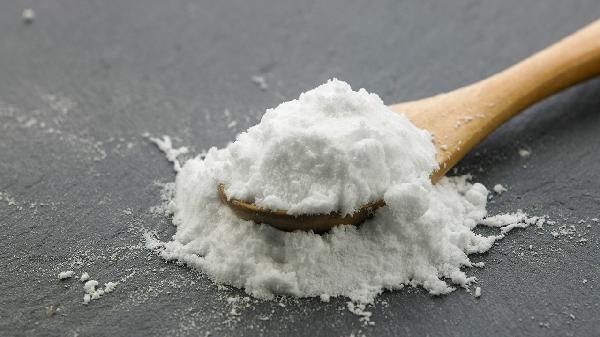
Edible alkali has stronger stain removal ability and can decompose oils and partially fat soluble pesticides, but strong alkalinity can damage vitamin B and vitamin C. It is suitable for cleaning vegetables with uneven surfaces such as broccoli, or removing sediment from mushroom gills. When using, the concentration and time should be strictly controlled. Add about 2 grams of 500 milliliters of water, soak for no more than 3 minutes, and rinse repeatedly with running water after cleaning. Not recommended for use with tender leafy vegetables or raw vegetables, alkaline residues may irritate the digestive tract.
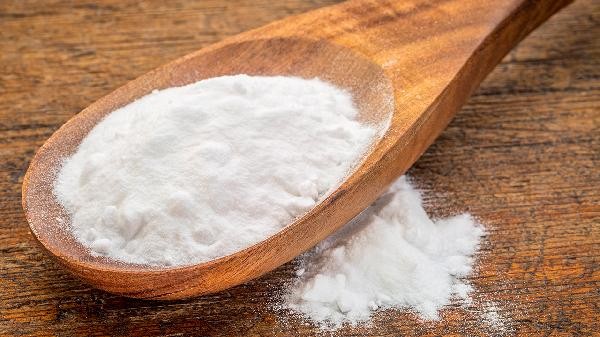
It is recommended to choose a cleaning method based on the type of vegetable. Baking soda should be preferred for leafy vegetables, while root and stem vegetables can be used interchangeably. Pre rinsing with running water for 30 seconds before cleaning can remove most of the attached pollutants, and keep the water temperature at room temperature to avoid nutrient loss. Organic vegetables are also recommended for simple cleaning, and biological pesticides may be used during the planting process. Stubborn stains can be wiped locally with baking soda paste, and cooked as soon as possible after treatment to reduce nutrient oxidation. When special groups consume fresh vegetables, the rinsing time with running water can be extended to 2 minutes to ensure safety.







Comments (0)
Leave a Comment
No comments yet
Be the first to share your thoughts!