
Chili peppers are better stored in a dry and ventilated room temperature environment, and can be refrigerated for short-term use. The preservation method of chili mainly depends on factors such as freshness, frequency of use, storage temperature, humidity conditions, and variety characteristics. Chili peppers can maintain good flavor and texture at room temperature, especially intact and undamaged peppers. Placing them in a cool and ventilated place can prevent moisture and mold. A dry environment helps to extend the shelf life of chili peppers while reducing nutrient loss. If the indoor temperature or humidity is high, chili peppers are prone to softening and rotting, and short-term refrigeration can be considered.

Cold storage is suitable for cutting open chili peppers or situations where they cannot be used up in a short period of time. Low temperature can delay spoilage but may cause skin wrinkling. Before putting chili peppers in the refrigerator, wipe off the surface moisture and seal them with a fresh-keeping bag to prevent cross contamination. After refrigeration, the taste of chili peppers will slightly soften, making them suitable for cooking rather than raw consumption. Thick skinned varieties such as red peppers are more resistant to refrigeration than green peppers, but should not exceed one week.
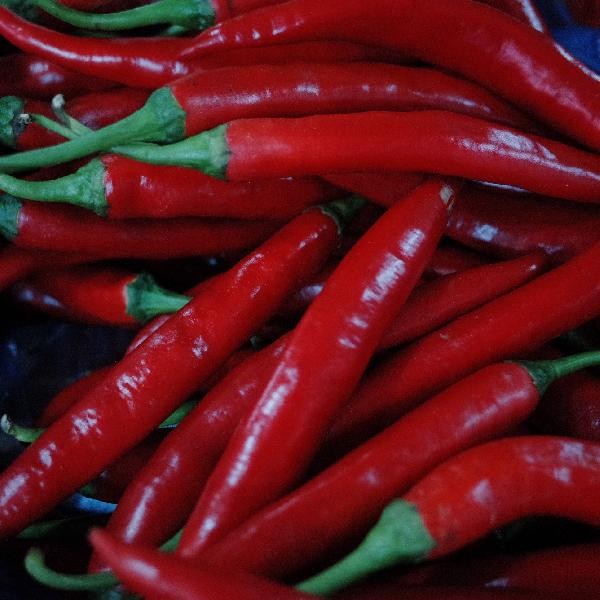
When storing chili peppers, avoid direct sunlight and high temperature and humidity environments. Do not seal and store peppers that are not completely dry. It can be hung for ventilation or placed in a bamboo basket for daily use, and regularly inspected to remove spoiled individuals. If long-term storage is required, it can be considered to dry, freeze, or make processed products such as chili sauce to preserve the spicy flavor while reducing waste.








Comments (0)
Leave a Comment
No comments yet
Be the first to share your thoughts!