
Chili peppers can be stored at room temperature or in the refrigerator, depending on the storage time and usage requirements. Short term storage is suitable for room temperature storage, and long-term preservation is recommended to be refrigerated. The storage methods of chili peppers are mainly influenced by factors such as temperature control, humidity regulation, ventilation conditions, maturity judgment, and variety differences.
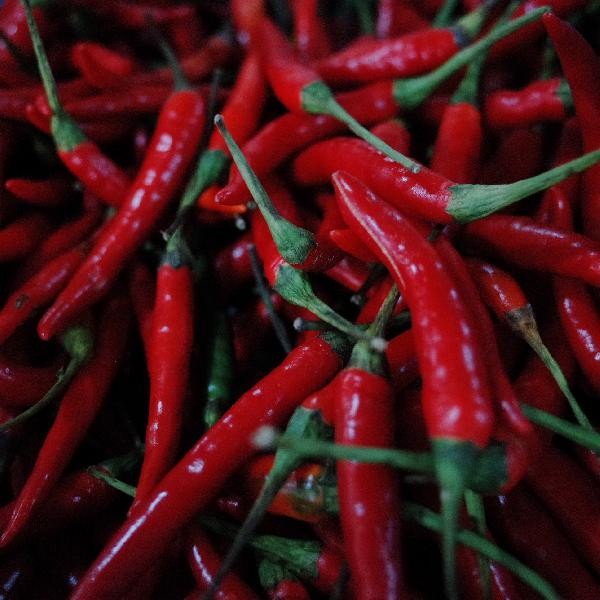
1. Temperature Control
When storing at room temperature, avoid high temperature environments. A cool place around 20 degrees Celsius can maintain the freshness of chili peppers for 3-5 days. Cold storage should be set at a temperature of 7-10 degrees Celsius. Low temperature can delay decay but may cause skin wrinkling. There are differences in temperature tolerance among different varieties of chili peppers, with green peppers being more suitable for refrigeration than millet peppers.
2. Humidity regulation
Chili peppers are best stored at a relative humidity of around 85%. At room temperature, slightly damp kitchen paper can be used to wrap the roots. When refrigerating, it is recommended to put them in breathable fresh-keeping bags to prevent condensation. Excessive humidity can easily breed mold, while low humidity can lead to dehydration and wilting.
III. Ventilation Conditions
When stored at room temperature, air circulation must be maintained, and gaps should be left when stacking to avoid compression. When storing in a refrigerator, it is important to regularly open the bag for ventilation, and when storing in a sealed container, ventilation should be opened daily. Poor ventilation can accelerate the accumulation of ethylene and promote premature ripening and deterioration of chili peppers.
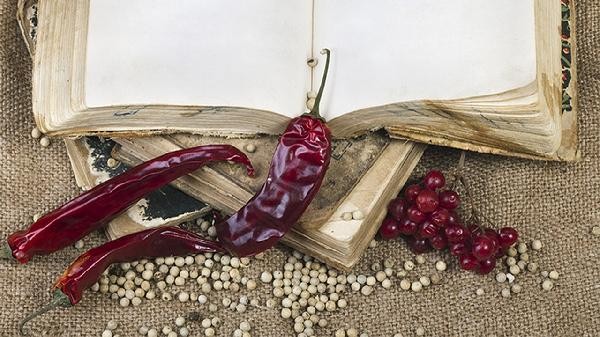
Fourth, Maturity Determination
Fully matured red chili peppers have high sugar content and are easy to ferment at room temperature, so they need to be refrigerated as soon as possible. Green pepper fruits that are not fully ripe contain more chlorophyll and can be stored at room temperature for a longer period of time. Chili peppers with stems have a 2-3 day longer shelf life than those without stems.
V. Variety Differences
Thick skinned varieties such as colored peppers are suitable for refrigeration, while thin skinned millet peppers are recommended to be stored at room temperature. Wrinkled chili peppers are prone to dehydration due to their large surface area and require a higher humidity environment. Varieties with high spiciness, such as Chaotian pepper, contain more capsaicin and have stronger natural preservative properties.
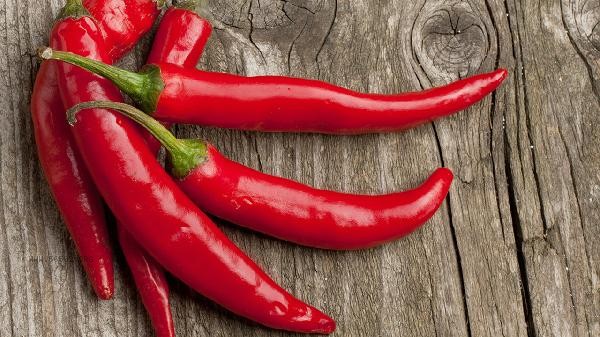
When storing chili peppers, it is necessary to regularly check their condition, and any soft spots should be immediately removed. If long-term storage is required, consider washing and drying before freezing, but the taste will become soft after thawing. Before cooking, the refrigerated chili peppers can be brought back to room temperature for 1 hour to improve texture and flavor. Regardless of the storage method used, direct sunlight and drastic temperature fluctuations should be avoided, and attention should be paid to storing them separately from other ethylene sensitive fruits and vegetables. Reasonable storage can not only extend the shelf life of chili peppers, but also maximize the retention of their nutritional components such as vitamin C and capsaicin.








Comments (0)
Leave a Comment
No comments yet
Be the first to share your thoughts!