
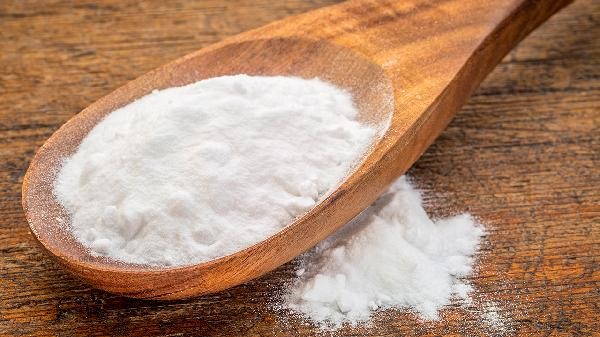
It is recommended to use baking soda for broccoli cleaning, which can effectively remove pesticide residues and insect eggs. Baking soda soaking, rinsing with running water, and blanching are common cleaning methods. Baking soda's weak alkalinity can decompose some fat soluble pesticides, while table salt mainly has a sterilizing effect but has limited effectiveness in removing pesticide residues. Soaking broccoli in baking soda solution is a recommended method for cleaning broccoli. Dissolve 5 grams of baking soda in 500 milliliters of water, soak broccoli for 10 minutes, and then rinse with running water. Baking soda can neutralize some acidic pesticide molecular structures, and its fine particles can also remove surface dirt through physical friction. Experimental results have shown that the removal rate of organic phosphorus pesticides by baking soda solution is significantly higher than that of salt solution, and it does not damage the cell structure of vegetables. Note that the soaking time should not exceed 15 minutes to avoid nutrient loss. The bactericidal effect of salt has certain value in cleaning fresh vegetables. Soaking in 3% saline solution can inhibit the activity of some microorganisms and have a repellent effect on the eggs attached to the crevices of vegetable stems. But high concentration solutions may cause cell dehydration and damage water-soluble vitamins. Compared to baking soda, salt has a weaker ability to remove fat soluble pesticides, and residual sodium ions may affect the original flavor of broccoli. In special circumstances, two types of cleaning agents can be used alternately, but the total soaking time needs to be controlled.
After washing broccoli, it is recommended to blanch it for a short period of time. Blanching it in 90 ℃ hot water for 20 seconds can further reduce pesticide residues and maintain a crisp taste. During daily storage, attention should be paid to maintaining dryness and ventilation to avoid mold growth caused by humid environments. When choosing, choose broccoli with tight flower balls and fresh and tender stems, as these ingredients have relatively less surface pollutants. Special populations such as infants and young children can peel their skin before consumption to further reduce the risk of pollutant intake.








Comments (0)
Leave a Comment
No comments yet
Be the first to share your thoughts!