
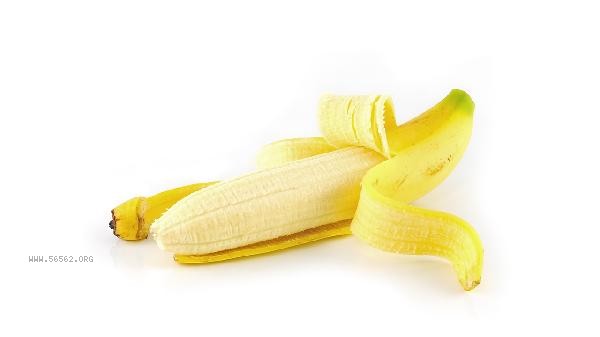
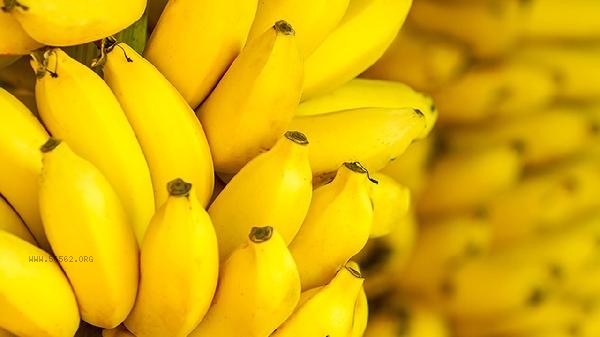
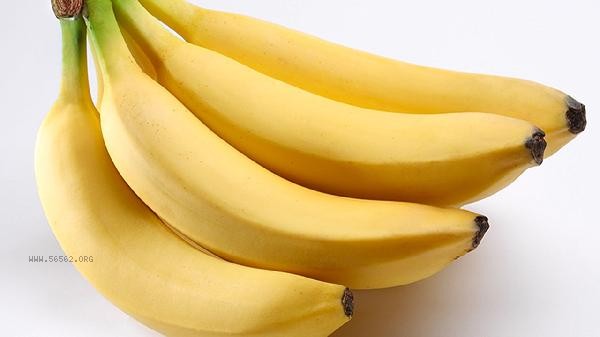
Bananas or apples can be used to ripen fruits, both of which can release ethylene to promote ripening, but bananas ripen faster and apples have a milder effect. Bananas release a higher concentration of ethylene, especially when black spots appear on the skin of mature bananas, resulting in a significant increase in ethylene production. When storing unripe fruits and bananas in a sealed container, the ethylene released by bananas accelerates the breakdown of fruit starch and the softening of pectin, usually taking 1-2 days to take effect. But bananas are prone to decay and produce a smell of alcohol, so it is necessary to check the condition of the fruit every day. Mango, kiwi and other post ripe fruits are suitable for ripening with bananas. The ethylene produced by apples is relatively stable and long-lasting, making it suitable for ethylene sensitive fruits such as pears and avocados. Apple ripening takes 3-5 days, and it is not easy to cause over ripening during the process. Place the apple and the fruit to be ripened in layers in a paper bag, leaving a suitable breathable space to avoid excessive humidity. Apples ripen fruits with a more even taste, but it is important to note that apple pits may harbor mold.
Regardless of choosing bananas or apples for ripening, the fruit and ripening agent should be sealed and stored in a cool place, avoiding direct sunlight. Check the ripeness of fruits daily and take them out promptly to prevent over ripening and rotting. The fruit after ripening should be eaten as soon as possible, and the intake of diabetes patients and those with weak gastrointestinal function should be controlled. Although natural ripening methods are safe and effective, they cannot change the original nutritional value of fruits. It is recommended to prioritize choosing fruits that ripen naturally in season.








Comments (0)
Leave a Comment
No comments yet
Be the first to share your thoughts!