
The main methods for making non sticky dumplings include adding salt when kneading, sprinkling dry powder before rolling the dough, adding cold water when boiling, placing gauze on the steamer, and quick cooking after freezing.
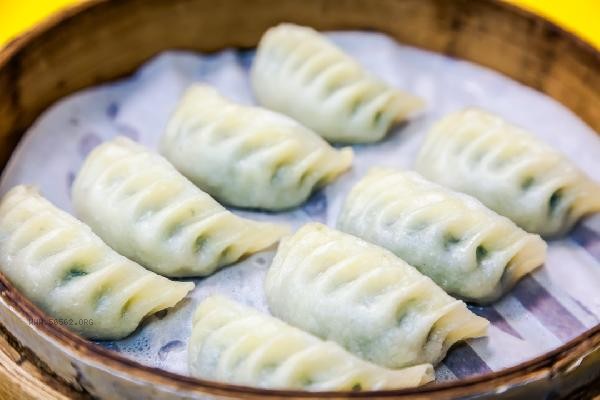
1. Adding salt to dough
Adding a small amount of salt to flour can enhance gluten elasticity, making dumpling wrappers more resistant to cooking and less likely to break. Mix 500g of flour with 3g of salt, as too much will affect the taste. When kneading dough, slowly stir with warm water until the dough is smooth, and then let it rise for half an hour. The extensibility and toughness of the dough will be significantly improved.
2. Sprinkle dry powder before rolling.
Before rolling dumpling wrappers, evenly sprinkle a layer of corn starch or high gluten flour on the cutting board and dough surface to effectively isolate moisture. Starch granules are finer than flour and have better anti sticking effects. Note that the dry powder should not be too thick, otherwise it is easy to lose powder during cooking and cause the soup to become cloudy.
3. Boil the dumplings with cold water. When the water boils again, add half a bowl of cold water and repeat the process three times. Alternating between hot and cold can make starch gelatinization more uniform, avoiding excessive swelling and adhesion of dumpling skins. This method is particularly suitable for meat filled dumplings, as it extends the cooking time to ensure that the filling is fully cooked while maintaining the integrity of the outer layer.
4. The steamer is padded with gauze
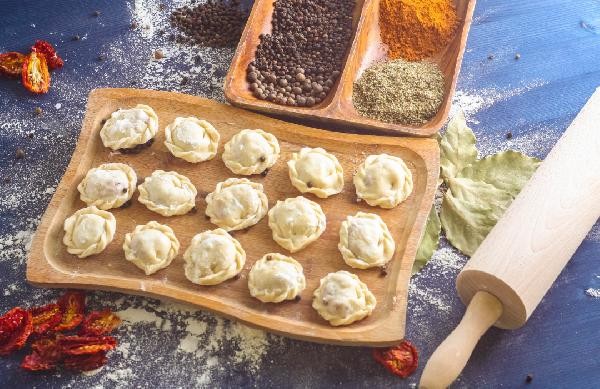
When Steamed dumplings are steamed, cotton gauze cloth soaked and wrung dry is used to pad the bottom, which is breathable and can absorb condensed water. The gauze should be spread flat and completely cover the steamer. Before steaming, a thin layer of cooking oil can be applied to enhance the anti sticking effect. Immediately remove the lid after steaming to avoid water vapor dripping back and causing the bottom to become sticky.
5. After freezing, quickly cook
The dumplings are arranged in a tray sprinkled with dry powder and frozen to shape. After hardening, they are stored in bags. When cooking frozen dumplings, use plenty of water and high heat. Quickly stir boiling water in the pot to prevent it from sinking to the bottom. Freezing forms an ice crystal layer on the surface of dumpling wrappers, which makes the starch structure more compact and less likely to stick to the pot when exposed to heat.
Dumpling anti sticking requires controlling humidity and temperature throughout the entire process from preparation to cooking. Pay attention to the ratio of water to flour during the kneading stage. The higher the protein content of flour, the better the anti stickiness. Keep hands dry during operation, and cover gaps with damp cloth in a timely manner to prevent drying and cracking. It is recommended to use a deep pot with wide water for boiling dumplings, with a water volume at least three times the volume of the dumplings. Before consumption, supercooling can increase the smoothness of the skin, but for those with gastrointestinal sensitivity, it is recommended to directly consume hot dumplings. When storing the remaining dumplings, lay baking paper between layers and refrigerate for no more than two days. Steaming during reheating can better maintain the original state than frying.








Comments (0)
Leave a Comment
No comments yet
Be the first to share your thoughts!