
Rice usually does not grow insects in environments with temperatures below 15 degrees Celsius and humidity below 65%. In northern regions, insects are less likely to grow from October to March of the following year, and dehumidification measures need to be combined in the south. The growth of insects during rice storage is closely related to temperature and humidity. When the ambient temperature is below 15 degrees Celsius, the activity ability of pests such as rice weevils significantly decreases, and their eggs are difficult to hatch. The climate in the northern autumn and winter seasons is dry and cold, and the probability of temperature rise inside the grain pile is low under natural conditions. When stored in sealed containers, it can effectively prevent insects. Although the temperature is suitable in winter in southern regions, physical pest control measures such as Sichuan pepper bags and food grade silicone desiccants should still be used when the humidity is high, or vacuum packaging and freezing storage should be chosen.
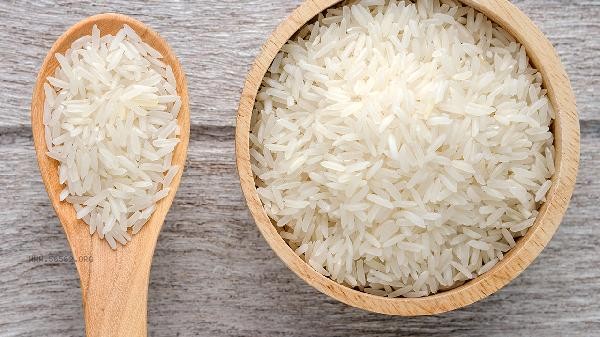
In special circumstances, even in low-temperature environments, improper storage may cause pest infestations. If rice comes into contact with insect contaminated utensils or if the sealing of storage containers is poor, causing condensation, it may still breed pests. When the moisture content of new rice exceeds the standard or impurities are mixed with aged rice, low temperature can only delay rather than completely prevent the occurrence of pests. It is recommended to pack the rice into a sealed box as soon as possible after purchase, place it in a cool and ventilated place, and regularly check the condition of the rice grains.

Daily storage of rice can be treated by drying, deworming, and sieving, but rice that has become moldy and yellowed should be discarded. For long-term storage, it is recommended to choose vacuum small packaging and use natural insect repellent materials such as dried seaweed and bay leaves that are regularly replaced. Keeping the rice jar clean and dry, avoiding mixing old and new rice, can minimize the risk of insect infestation. If a small amount of live insects are found, the rice can be placed in the freezer compartment of the refrigerator for 48 hours to inactivate them, without affecting the safety of consumption.








Comments (0)
Leave a Comment
No comments yet
Be the first to share your thoughts!