
Red beans that have been frozen for six hours but still cannot be cooked well may be related to factors such as red bean variety, freezing treatment method, and water hardness. Red beans that cannot be cooked well usually require adjustments to cooking methods or extension of soaking time due to insufficient damage to the cell wall structure.
1. Red Bean Varieties
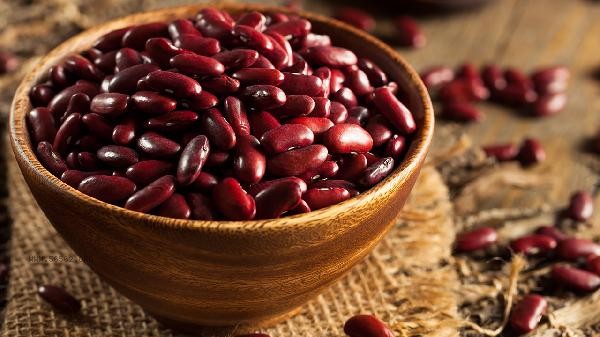
The texture of red beans varies greatly among different varieties, and some old varieties are difficult to cook even after freezing due to their tight starch structure and thick skin. It is recommended to choose fresh red beans with plump particles and thin skin, as these red beans are more likely to soften during cooking. If you purchase aged red beans, you can soak them in warm water with a small amount of baking soda in advance to help damage the cell wall structure.
2. Improper freezing treatment
Insufficient freezing time or temperature can lead to incomplete crystallization of water inside red beans, and ice crystals cannot fully penetrate the cell wall. The ideal approach is to wash and drain the red beans, spread them flat in a sealed bag to release air, and freeze them at minus 18 degrees Celsius for more than 12 hours. When thawing, simply add boiling water and use the temperature difference to accelerate the rupture of the cell wall.
3. Water Quality Impact
Calcium and magnesium ions in hard water can combine with pectin in red beans to form insoluble substances, hindering starch gelatinization. It can be cooked with pure water or softened by adding half a tablespoon of white vinegar after the water boils. Due to the low boiling point in high-altitude areas, it is recommended to use a pressure cooker to increase the cooking temperature to above 110 degrees Celsius.
4. Insufficient pretreatment
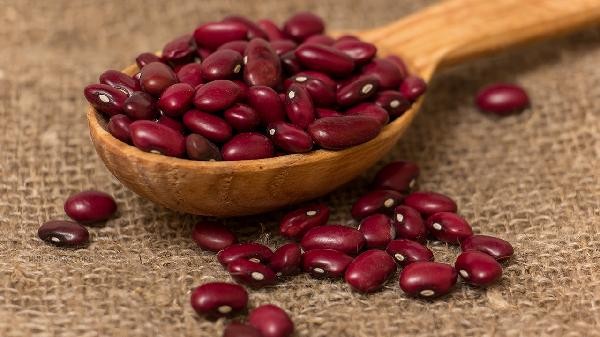
The center part of red beans that have not been fully soaked has low moisture content and uneven distribution of ice crystals during freezing. Dried red beans need to be refrigerated and soaked for more than 8 hours, and the amount of water should be completely three times that of the beans. Before rapid freezing, gently tap the cracked bean skin with the back of a knife, or blanch briefly and then quickly cool before freezing to form more micro cracks.
5. Cooking method error
Boiling directly on high heat can cause the skin to quickly shrink and lock in moisture. The correct approach is to freeze the red beans without thawing and directly pour them into cold water. Slowly heat them up to a slight boiling state over low heat and maintain it for 1 hour. It is better to use a clay pot or cast iron pot for heat storage, and avoid using an aluminum pot to cook acidic ingredients. Red beans are rich in dietary fiber and B vitamins, and long-term consumption can help improve intestinal function. Daily storage recommendations include packaging and freezing for no more than 3 months, and checking for insect infestation or mold before cooking. When pairing glutinous rice, lotus seeds, and other ingredients, the cooking time should be extended. For those with indigestion, filter out the tofu skin and drink the soup. If repeated attempts fail to cook thoroughly, there may be lignification caused by improper storage, and it is not recommended to continue consuming.








Comments (0)
Leave a Comment
No comments yet
Be the first to share your thoughts!