
Repeated thawing of chicken can easily breed bacteria and cause spoilage, so it is usually recommended to avoid multiple thawing cycles. During the freezing thawing process, the cellular structure of meat is disrupted, and the loss of juice accelerates spoilage, while temperature fluctuations promote microbial growth.

During the first thawing of frozen chicken, the cell membrane ruptures due to the formation of ice crystals, and the extracellular fluid flows out to provide nutrients for bacterial growth. If not cooked in time after thawing, pathogenic bacteria such as Salmonella will rapidly proliferate. The temperature in the refrigerator compartment of a household refrigerator is usually around 4 degrees Celsius, but it still cannot completely inhibit the growth of some psychrophilic bacteria. Repeated freezing can lead to more severe muscle fiber breakage, resulting in a harder texture and increased nutrient loss.
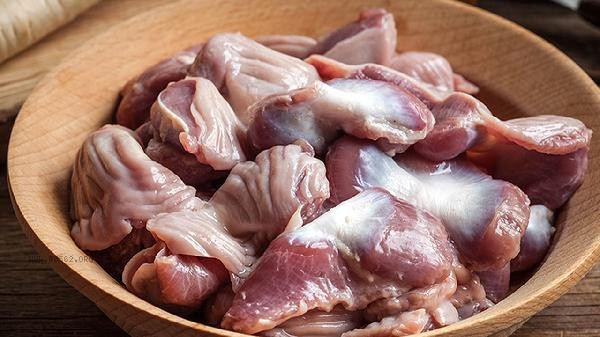
In special circumstances, frozen meat can be thawed again, but it is necessary to ensure that it has not been stored in an environment above 4 degrees Celsius for more than 2 hours after the first thawing. It is safer to thaw slowly in a refrigerator than at room temperature. After thawing, it should be immediately cooked at high temperature until the center temperature is above 75 degrees Celsius. If the meat is found to be sticky, has a strange odor, or turns grayish green in color, it is not edible.

Daily storage: It is recommended to pack and freeze as needed to avoid repeated thawing of large pieces of meat. Sealed bags can be used for flat freezing to shorten thawing time. 12 hours before cooking, transfer to the refrigerator for thawing. After processing raw meat, it is necessary to thoroughly clean hands and kitchen utensils with soapy water. Raw and cooked food cutting boards should be used separately to reduce food safety risks from the source.








Comments (0)
Leave a Comment
No comments yet
Be the first to share your thoughts!