
Rapid weight loss of ten pounds per week is usually not recommended as it may cause harm to health, such as muscle loss and metabolic disorders. Scientific weight loss should be controlled at 1-2 pounds per week, mainly through adjusting dietary structure, increasing exercise, and improving lifestyle habits.
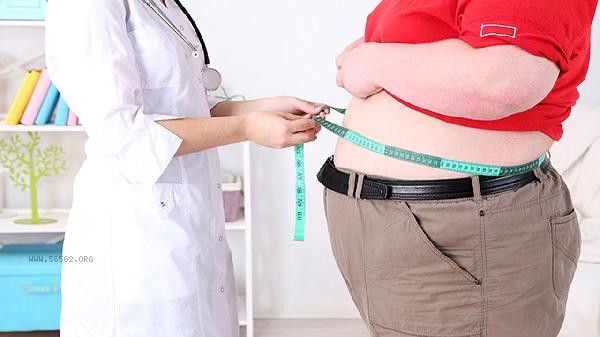
In the short term, significant weight loss is mainly due to water and muscle loss, rather than fat consumption. Extreme dieting or excessive exercise may lead to problems such as hypoglycemia, electrolyte imbalance, and gastrointestinal dysfunction. Some people may experience a false weight loss due to dehydration, but they are prone to rebound and damage kidney function. If high-intensity exercise exceeds the body's load, it may cause rhabdomyolysis or joint damage. Rapid weight loss may also affect women's endocrine system, leading to menstrual disorders.
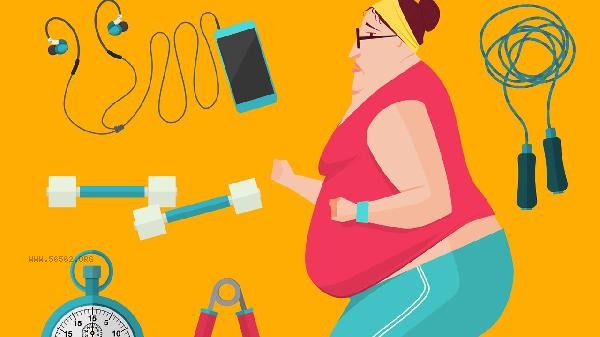
Healthy weight loss requires a daily calorie deficit of 500-750 calories, with priority given to high protein, high fiber foods such as chicken breast and broccoli to maintain satiety. It is recommended to engage in 150 minutes of moderate intensity aerobic exercise combined with strength training every week. Lack of sleep can increase hunger hormone levels, so it is necessary to ensure 7-9 hours of sleep. Diabetes patients, pregnant women and other special groups should adjust the weight loss program under the guidance of doctors.
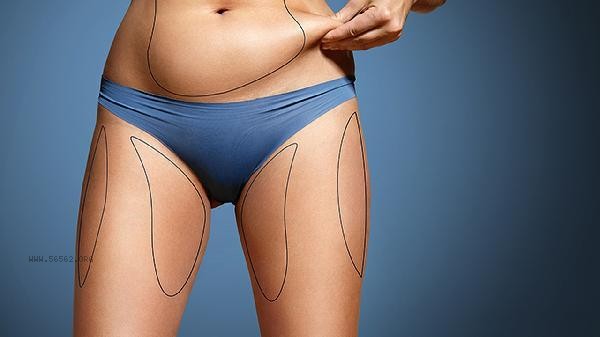
It is recommended to adopt a gradual approach to weight loss and avoid dangerous methods such as diuretics and laxatives. If you need to achieve a specific weight target in the short term, you should consult a nutritionist to develop a personalized plan. Maintaining an ideal weight in the long term requires establishing a balanced diet and regular exercise habits. Extreme weight loss methods often come with health risks and are difficult to sustain.








Comments (0)
Leave a Comment
No comments yet
Be the first to share your thoughts!