
Green bean peeling can be quickly achieved through soaking and washing, freezing separation, rolling and sieving, boiling peeling, mechanical peeling, and other methods.
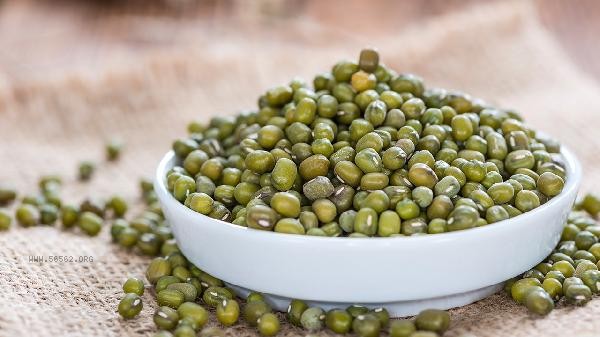
1. Soaking and Rubbing Method
Soak mung beans in clean water for 6-8 hours until they absorb enough water. After the bean skin expands and softens, rub it repeatedly by hand to separate the skin and flesh. This method uses water infiltration to change the physical properties of soybean skin, which is suitable for small-scale processing at home. During the process, fine mesh screens can be used to assist in washing off fallen soybean skin. It is important to note that the water temperature should not exceed 40 degrees Celsius to avoid affecting the sand yield.
2. Freeze separation method
After soaking, the mung beans are drained of water and frozen flat for 2 hours. Low temperature is used to form an ice crystal layer between the bean skin and cotyledons. After removal, quickly place it in warm water, as the temperature difference causes the bean skin to become brittle and peel off. The method can maintain the integrity of mung bean, and is suitable for making Bean paste cake and other foods that need to maintain shape, but the freezing time needs to be controlled to avoid cell structure damage.
3. Rolling and sieving method
Remove the mung beans that have been boiled to a slight boil and drain them. Use a rolling pin to gently press and roll them on a cutting board to separate the skin and kernels before sieving. This method has high efficiency and is suitable for medium batch processing. Attention should be paid to controlling the grinding pressure to avoid crushing the beans. It can be used in conjunction with a coarse mesh screen to separate bean skin residue.
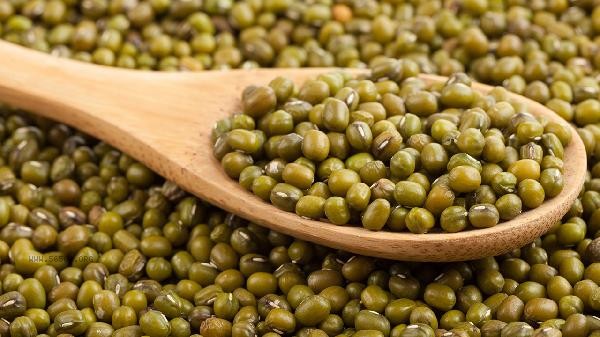
4. Boiling and Peeling Method
After boiling mung beans with water for 3 minutes, immediately supercool them and allow them to naturally crack due to thermal expansion and contraction. Stir with a spoon to make most of the bean skins float up and remove, and rinse the remaining small amount with running water. This method has a high peeling rate, but some starch will be lost with boiling water, making it suitable for making liquid foods such as mung bean soup.
5. Mechanical peeling method
uses a specialized bean peeling machine to achieve efficient peeling through a combination of friction rollers and mesh screens, which can process tens of kilograms of raw materials per hour. Suitable for commercial mass production, the equipment needs to adjust the appropriate speed and spacing to avoid excessive friction causing damage to the beans, and the peeling rate can reach over 90%. Green beans that have been peeled should be used or frozen as soon as possible to avoid oxidation and discoloration. Different cooking needs can choose corresponding methods. Boiling is recommended for making mung bean paste, while freezing is recommended for baking. When handling, pay attention to container cleanliness. The peeling process may result in the loss of some B vitamins, which can be supplemented with animal liver or whole grains for nutrition. Summer operations are recommended to be carried out in an air-conditioned environment to prevent bean spoilage. The processed bean skins are rich in dietary fiber and can be dried and used as tea drink ingredients.








Comments (0)
Leave a Comment
No comments yet
Be the first to share your thoughts!