
The quick methods for binding crabs with rubber bands mainly include fixing crab claws, wrapping the crab body, tying knots, checking the tightness, and maintaining the integrity of the crab body, which need to be operated in conjunction with tools.
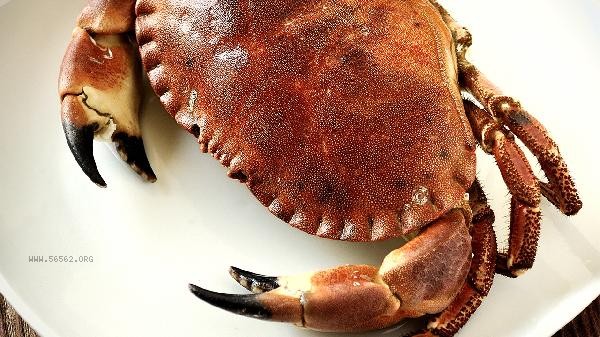
1. Secure crab claws
Pinch the edges of the crab's back shell on both sides with your left thumb and index finger, and flip the crab body so that its abdomen faces upwards. Quickly press the concave part of the joint between the two crab claws with the index finger of the right hand, and use the crab's self-protection reaction to make its claws contract. Use a moderately wide rubber band to cover the base of one side of the crab claw, and pull it to the other side of the claw foot to complete the initial fixation. Be careful to avoid the range of motion of the crab claws to prevent injury, and maintain the stability of the crab body during operation to avoid struggling.
2. Wrap the crab body
Take a thick rubber band with a length of about 20 centimeters and thread it under the fixed crab claws. Wrap the crab shell and abdomen in a figure eight shape three times around the junction, ensuring that each rubber band fits tightly into the gap between the shells. When wrapping, use your left hand to secure the crab body to prevent sliding, and use your right hand to tighten the rubber band to maintain even force. For larger swimming crabs or green crabs, double stranded rubber bands can be used to wrap side by side to enhance the restraint effect.
3. Knot and Finish
After winding, twist the ends of the rubber band to form a loop, and tighten it by inserting it into the last circle of rubber band. Cut the excess part to about 2 centimeters to prevent entanglement, and place the knot in the concave part of the crab shell to avoid wear and breakage. After binding the live crab, it is necessary to check whether the rubber band is stuck in the joint gap. If it is too tight, it may damage the crab's foot mobility. Commercial processing can use specialized crab tying guns to automatically complete the knotting steps.
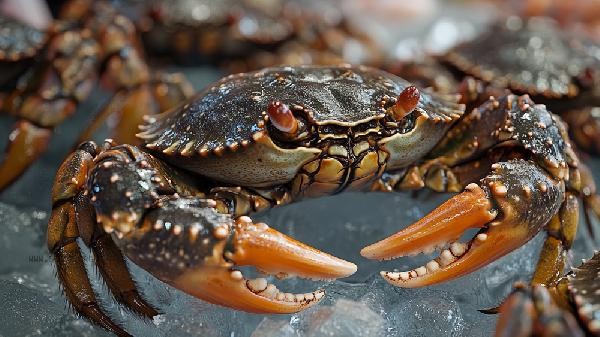
4. Check the tightness.
After binding, lift the rubber band to test its load-bearing capacity. The standard is that the rubber band does not slide down when the crab is suspended. Gently flick the crab claws with your fingers to confirm that they cannot be opened beyond a 30 degree angle, but the normal opening and closing space of the gills must be preserved. If the rubber band has obvious tensile deformation or local thinning, it is necessary to replace the food grade rubber band made of anti-aging materials. Crabs in temporary ponds should be checked for binding status every 2 hours.
5. Keep the crab body intact.
Avoid pressing the central heart area of the crab shell throughout the operation. After binding, the crab legs and torso should naturally curl up. During transportation, cover the crab shell with a wet towel to maintain humidity. When the temperature exceeds 28 degrees, an ice pack must be added to cool it down. Dead crabs should immediately remove the rubber bands to prevent accelerated decay, while live crabs are recommended to be released from restraint before cooking to maintain freshness. Before processing live crabs, soak the rubber band in salt water to enhance friction, and choose a latex ring with a width of about 5 millimeters for easier operation. The bound crabs should be placed in a cool and ventilated place to avoid direct sunlight that may cause the rubber bands to become brittle and break. It is recommended to wear anti cutting gloves for home operations. If the crab claws accidentally open, chopsticks can be used to horizontally clamp the joints and then re fix them. During commercial batch processing, rubber bands can be pre placed on specialized crab binding racks to improve efficiency, and the winding angle should be adjusted to accommodate differences in shell shape among different crab species. Regularly wiping the contact surface of rubber bands with white vinegar can reduce residual fishy odor, and cooking with rubber bands directly does not affect food safety.









Comments (0)
Leave a Comment
No comments yet
Be the first to share your thoughts!