
The storage methods for different types of tea mainly include sealed refrigeration, avoiding light and moisture, classified storage, temperature control, and keeping away from odors. The preservation method of tea directly affects its flavor and quality, and appropriate methods should be selected based on the characteristics of the tea.
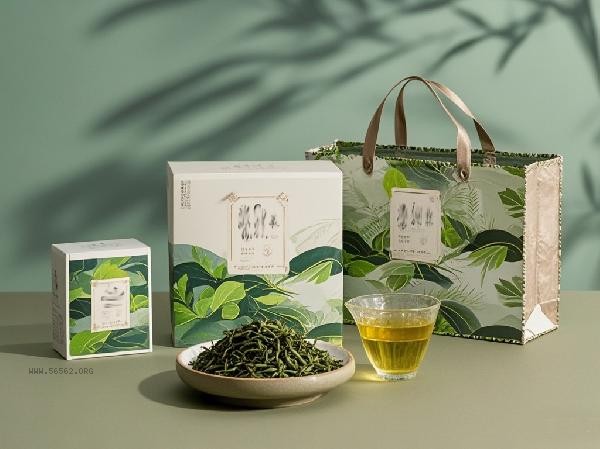
1. Sealed refrigeration
Green tea, light aroma oolong tea and other easily oxidizable tea leaves are suitable for sealed refrigeration. Seal with aluminum foil bags or tin cans to prevent water vapor from entering. The refrigeration temperature should be controlled between 0-5 degrees Celsius to delay the oxidation of tea leaves and maintain their freshness and refreshing taste. After taking it out of the refrigerator, it should be allowed to stand at room temperature before opening to prevent condensation.
2. Avoid light and moisture
Tea leaves that are sensitive to light, such as black tea and white tea, should be stored away from light. Choose opaque ceramic jars or dark glass containers and store them in a cool and dry place. When the environmental humidity exceeds 60%, food grade desiccants should be used to prevent tea leaves from getting damp and deteriorating. Regularly check the sealing of the container to prevent moisture from seeping in.
3. Classified storage
Different types of tea should be stored separately to avoid cross flavors. Post fermented tea such as Pu erh requires a ventilated environment and should be isolated from unfermented tea such as green tea. Flower tea should be sealed separately because it contains fragrant floral components that are more easily absorbed. Different varieties of the same tea should also be packaged separately to prevent flavor interference.
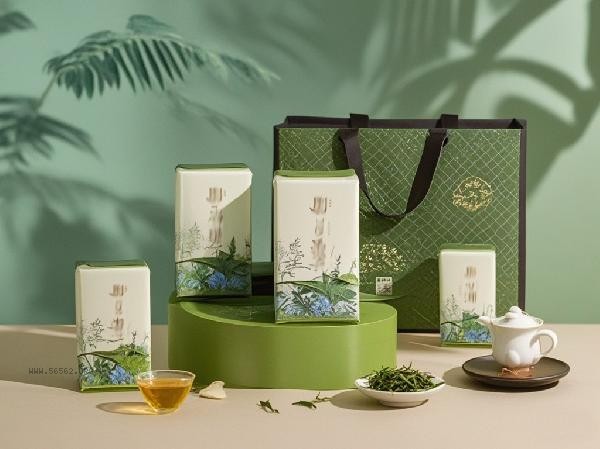
4. Temperature Control
Black tea and aged white tea are suitable for aging at room temperature, but it is necessary to maintain a stable ambient temperature to avoid high temperatures accelerating fermentation. During the hot season, tea leaves can be moved to a cool place with temperature fluctuations not exceeding 10 degrees Celsius. Some lightly fermented teas are prone to sour taste above 25 degrees Celsius, so special attention should be paid to temperature control.
5. Stay away from odors
Tea has strong adsorption properties and should be kept away from odor sources such as cosmetics and spices. Avoid storing cleaning agents or ingredients in the storage area, and tea should not be stored near the kitchen and bathroom. Newly purchased containers should be thoroughly cleaned and deodorized. Before using bamboo and wood containers, they should be filled with tea soup to reduce the risk of residual odors.
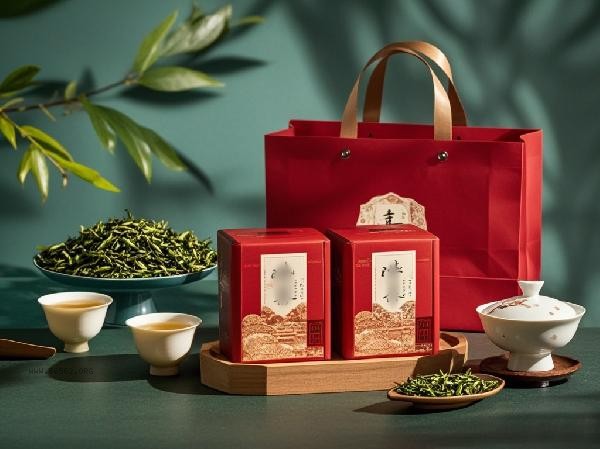
When storing tea leaves in daily life, it is recommended to pack them according to the amount consumed and reduce the number of times they are opened. Immediately seal the tea after each serving to avoid prolonged exposure. Regularly check the condition of tea leaves and promptly deal with any moisture or flavor changes found. The storage method can be adjusted in different seasons. Strengthen moisture prevention during the rainy season and pay attention to temperature difference control in winter. Properly preserved tea leaves can maximize the retention of nutrients and flavor compounds, enhancing the drinking experience. For aged tea, it is also necessary to record the storage time and grasp the optimal drinking cycle.








Comments (0)
Leave a Comment
No comments yet
Be the first to share your thoughts!