
The production methods of Red bean soup Congee mainly include soaking red beans, boiling red beans, making bean paste, cooking Congee for seasoning, and eating together.
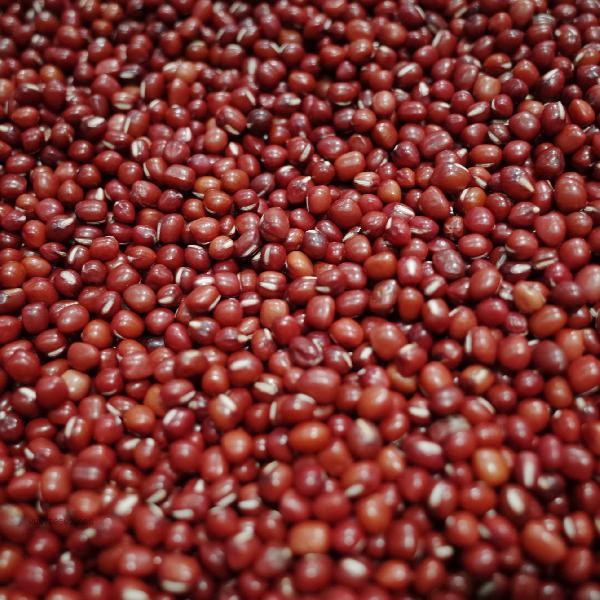
1. Soak Red Beans
Soak red beans in water for at least 4 hours in advance, and in summer, they can be refrigerated and soaked. Soaking can make red beans fully absorb water and expand, shortening the subsequent boiling time. Choose plump and insect free red beans, and be careful to remove floating bad beans when washing. If you want to speed up the softening process, you can soak it in warm water and add a small amount of edible alkali.
2. Boil Red Beans
After soaking, add 3 times the amount of water to the red beans and bring to a boil over high heat. Remove any foam and simmer over low heat for 1 hour. Using a clay pot or electric pressure cooker can better preserve nutrients, and traditional methods can add dried tangerine peel to enhance fragrance. Boil until the skin of the red beans cracks, while retaining some intact particles can increase the texture level. If a pressure cooker is used to press it for 20 minutes, it can reach a soft and fluffy state.
3. Make bean paste
Remove the softened red beans and drain them, then use a blender to make a fine paste. The traditional method can be manually rolled and filtered using a fine mesh sieve to preserve the more nutritious bean skin. Add proper amount of white sugar or brown sugar according to the taste, and diabetes patients can adjust the sweetness by substituting sugar. When stir frying bean paste, it is necessary to constantly stir over low heat until it can stick together without sticking to the pot.
4. Cooking Congee seasoning
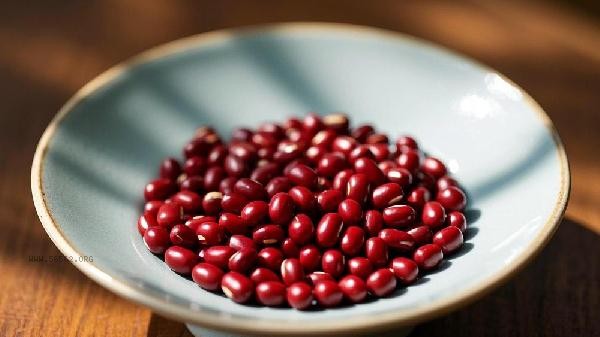
After washing, the japonica rice is boiled with water in a ratio of 1:8 to form the bottom of Congee. After the rice grains bloom, add Red bean soup and mix well. It can be paired with ingredients such as lotus seeds and lilies to enhance health benefits. For those with high blood sugar, it is recommended to reduce sugar intake. Add a small amount of salt 5 minutes before cooking to enhance the flavor, sprinkle with dried osmanthus or sugar osmanthus to add flavor. Ginger juice can be added in winter to dispel cold, and it can be consumed after refrigeration in summer to cool down.
5. When eating
hot food, it can be served with traditional breakfast such as deep-fried dough sticks, Ma Tuan, etc. It is better to use rice cakes as dessert after refrigeration. For those with spleen and stomach deficiency and cold, it is recommended to consume it while it is hot, and it can be balanced with warm ingredients such as red dates and longan. When serving as a complementary food for young children, it is necessary to ensure that the bean paste is completely delicate and free of particles. The remaining bean paste can be frozen and used to make stuffed buns or rice dumpling stuffing.
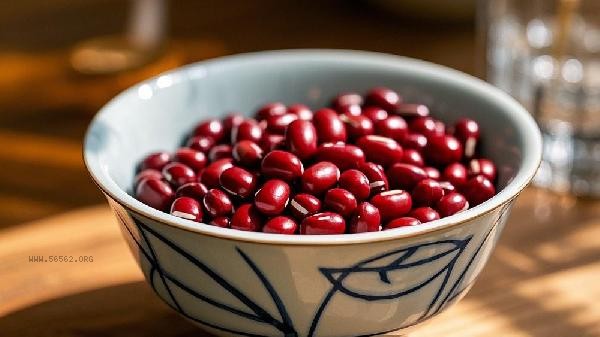
When making Red bean soup Congee, red beans must be thoroughly cooked to avoid gastrointestinal discomfort caused by saponins. Control sugar intake, hypertensive patients can choose low sodium salt seasoning. It is recommended to eat it freshly, store it in a refrigerator for no more than 2 days, and boil it thoroughly when reheating. Adjusting the way of consumption according to seasonal changes and pairing it with fresh seasonal ingredients can make the nutrition more balanced. Those with weak digestive function can reduce the amount of bean paste and increase the consistency of Congee for easy absorption.








Comments (0)
Leave a Comment
No comments yet
Be the first to share your thoughts!