
The precautions for liposuction and weight loss surgery mainly include preoperative evaluation, intraoperative operation standards, postoperative care, prevention of complications, and adjustment of diet and exercise. Medical procedures must be strictly followed and operated by professional doctors.
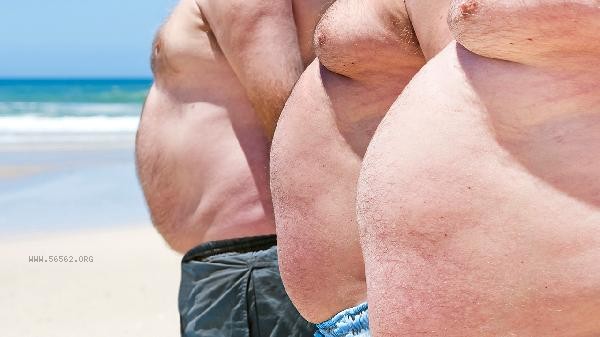
1. Preoperative evaluation
Preoperative blood routine, coagulation function, electrocardiogram and other examinations should be completed to rule out surgical contraindications such as severe cardiovascular disease and coagulation dysfunction. Doctors will evaluate the location of fat accumulation and skin elasticity, and develop personalized liposuction plans. Patients with hypertension and diabetes need to control their condition and then consider surgery. Anticoagulants should be discontinued 2 weeks before surgery to avoid an increased risk of intraoperative bleeding.
2. Intraoperative operating procedures
The surgery should be performed in a sterile environment and swelling anesthesia techniques should be used to reduce bleeding. The doctor will evenly aspirate according to the marked area, retaining an appropriate amount of subcutaneous fat to maintain skin smoothness. The single suction volume usually does not exceed 5000 milliliters to avoid fluid imbalance. The use of blunt tipped liposuction needles can reduce the probability of vascular and nerve damage, and real-time monitoring of vital signs is required during surgery.
3. Postoperative care
After surgery, it is necessary to wear elastic shapewear for 3-6 months to help the skin retract and shape. Keep the incision site dry and clean, and change the dressing regularly to prevent infection. Swelling and bruising may occur in the early stages, which can be relieved by cold compress. Avoid vigorous exercise or prolonged standing to prevent the formation of local hematomas. Do not take baths or swim within one week after surgery, and gradually resume mild activities after two weeks.
4. Prevention of Complications
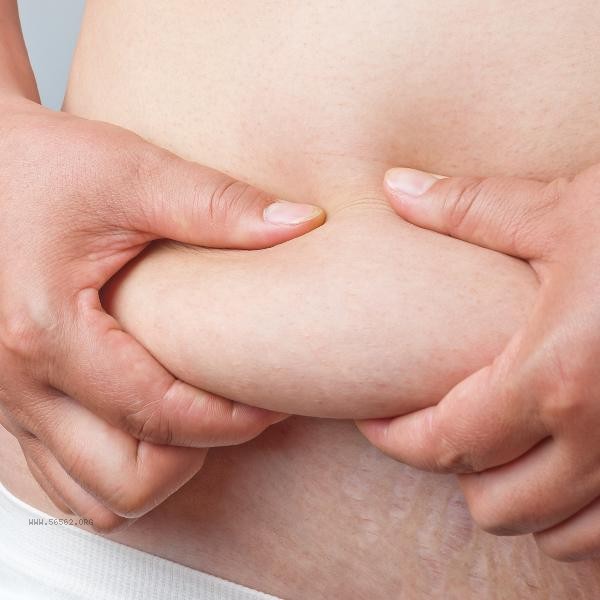
Closely observe for signs of infection such as fever and severe pain. Uneven skin is often caused by uneven suction and can be improved through massage. Although fat embolism is rare, it is dangerous and manifests as difficulty breathing, requiring immediate medical attention. Local numbness usually recovers on its own within 3-6 months, and if it does not improve for a long time, nerve damage should be investigated. Regular follow-up examinations can help detect hidden dangers such as deep vein thrombosis early on.
5. Dietary and Exercise Adjustment
Within one month after surgery, it is necessary to control sodium intake to reduce edema and increase high-quality protein to promote tissue repair. Gradually establish regular exercise habits, it is recommended to transition from walking to aerobic training. Maintain a daily intake of 2000 milliliters of water to promote the elimination of metabolic waste. Establish a long-term weight management plan to avoid compensatory hypertrophy of remaining fat cells. Within 6 months after surgery, it is necessary to avoid overeating and causing weight rebound. After liposuction, it is recommended to maintain a light diet and consume more fresh vegetables and fruits to supplement vitamins. Pay attention to the skin condition when wearing medical grade shapewear, and promptly deal with itching and allergies. Establishing regular sleep habits and ensuring adequate sleep can help with recovery. Avoid direct sunlight exposure for 3 months after surgery to prevent pigmentation. Regular follow-up check of surgical outcomes, and if necessary, secondary adjustments can be made to achieve the desired shape. It should be clarified that liposuction does not mean weight loss, and it should be combined with a healthy lifestyle to maintain long-term effects.








Comments (0)
Leave a Comment
No comments yet
Be the first to share your thoughts!