
After mole removal surgery, attention should be paid to wound care, avoiding infection, reducing activity, observing recovery, adjusting diet, and other matters. Improper postoperative care may lead to delayed wound healing or scar formation.
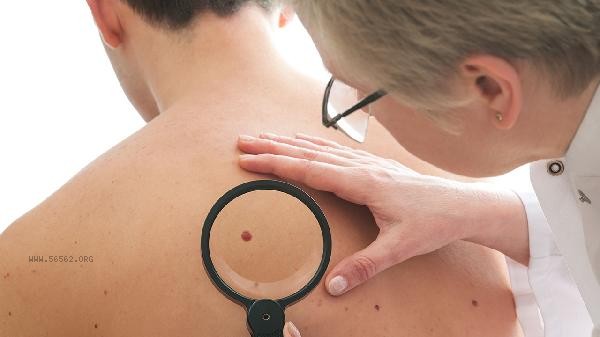
1. Wound care
Keep the wound dry and avoid getting wet within 24 hours after surgery. Doctors usually cover the wound with sterile dressings and replace them regularly according to medical advice. If absorbable sutures are used, there is no need to remove them; Non absorbable sutures need to be removed 5-7 days after surgery. When cleaning wounds, gently wipe them with physiological saline. Do not rub or use irritating liquids such as alcohol with force.
2. Avoid infection
Within 3 days after surgery, avoid contact with pollutants and refrain from activities such as swimming or bathing that may contaminate the wound. If there are signs of infection such as redness, swelling, exudation, or fever, seek medical attention promptly. Doctors may prescribe topical antibiotics such as mupirocin ointment and fusidic acid cream to prevent infection, but they should not be abused on their own.
3. Reduce activity
After facial mole removal, facial muscle activity such as chewing and laughing should be reduced, and joint movement should be restricted during limb surgery. Intense exercise may lead to an increase in wound tension, affecting healing and even causing tearing. It is recommended to rest for 1-2 weeks and gradually resume daily activities after the wound has initially healed.

4. Observation and Recovery
The normal healing process may be accompanied by mild itching or tightness, but persistent pain and significant swelling require vigilance for complications. After the removal of pigmented nevi, attention should be paid to the pathological results. If the report shows changes in cell activity, further treatment is necessary. Light red scars may appear in the early stages of healing, usually gradually softening and fading over 3-6 months.
5. Dietary Adjustment
Within one week after surgery, avoid spicy and stimulating foods, seafood, and other allergenic foods, and limit the intake of tobacco and alcohol. Moderate increase in high-quality proteins such as eggs and lean meat promotes tissue repair, while supplementing with vitamin C helps with collagen synthesis. Patients with diabetes need to strictly control sugar. hyperglycemia may delay wound healing. The recovery period after mole removal surgery usually takes 2-4 weeks, during which exposure to sunlight is avoided to prevent pigmentation. Choose loose clothing to reduce friction, and physical sunscreen is recommended for facial surgery. Patients with obvious scar after operation can consult the doctor to use silicone gel or laser intervention. If there is suture rejection, abnormal bleeding, or poor healing, immediate follow-up treatment should be sought. Regular follow-up can help evaluate the final recovery effect, and patients with special constitutions may require longer observation time.







Comments (0)
Leave a Comment
No comments yet
Be the first to share your thoughts!