
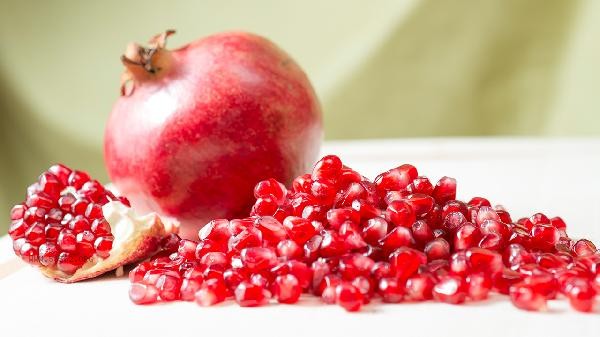
Pomegranate flesh turning black is generally not recommended for consumption, as it may be caused by oxidative deterioration or fungal infection. Fresh pomegranate pulp is usually transparent red or pink in color. If there is partial blackening, it may be due to collision damage. Large areas of blackening are often related to improper storage. The most common reason for the blackening of pomegranate skin or flesh is oxidation reaction. Pomegranates contain abundant polyphenolic substances, which can undergo enzymatic browning upon prolonged exposure to air or mechanical damage when in contact with oxygen, resulting in a darker color. If the oxidized and blackened flesh has no odor or mold spots, it can be consumed with caution in the short term after removing the blackened part, but its nutritional value has significantly decreased. When storing, the uneaten pomegranate should be wrapped in plastic wrap and refrigerated. It is recommended to consume it within two hours after cutting it open. In rare cases, pomegranate blackening may be caused by fungal contamination such as Alternaria. Infected fruits will gradually form black mold spots from the inside, accompanied by a fermented or bitter taste, and the texture of the flesh will become soft and sticky. This type of spoiled pomegranate can produce harmful substances such as penicillin, which are difficult to decompose even when heated at high temperatures. Ingestion may cause gastrointestinal discomfort such as abdominal pain and diarrhea. When purchasing, it is important to note that the surface of the fruit should be free of dents and spots, and the pressure should be elastic. The bright color of the skin can reduce the probability of purchasing spoiled products.

When selecting pomegranates in daily life, you can observe whether the skin is smooth and compact, the top sepal is dry and free of mold, and the weight is obvious, indicating sufficient juice. Keep the environment ventilated and cool during storage to avoid accelerated mold growth in humid environments. If you experience discomfort such as nausea and vomiting after ingesting black pomegranate, it is recommended to replenish fluids and seek medical examination in a timely manner. Special populations such as pregnant women, infants, or immunocompromised individuals should avoid consuming any fruits with abnormal discoloration.









Comments (0)
Leave a Comment
No comments yet
Be the first to share your thoughts!