
The slight odor of pig trotters can be quickly treated by blanching, soaking in white vinegar, stewing with spices, and other methods. Severely spoiled pig trotters are not recommended for consumption as they may cause gastrointestinal discomfort. The odor of pig trotters is usually related to improper storage or prolonged storage time. When there is a slight odor, pig trotters can be blanched in cold water, boiled with ginger slices and cooking wine, and skim off the foam to effectively remove the surface odor. Soak white vinegar or lemon juice in water for half an hour, and acidic substances can neutralize some of the amine substances produced by decay. When stewing, add spices such as star anise, cinnamon, and Sichuan peppercorns to mask residual odors through high temperatures and aromatic substances. If there is obvious mucus, green color or pungent odor on the pig trotters, it indicates severe protein breakdown and may produce harmful substances. At this time, they should be discarded for disposal.
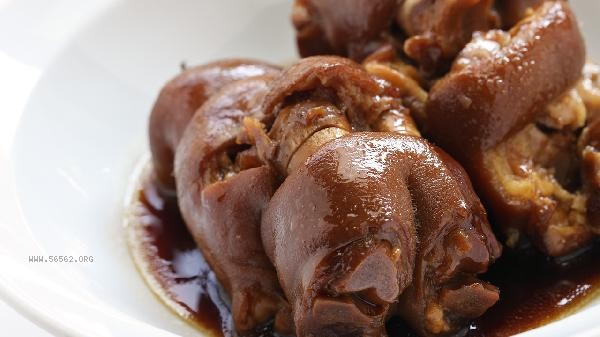
It is recommended to thoroughly heat the processed pig trotters to a center temperature exceeding 75 degrees Celsius, and pair them with sterilized ingredients such as garlic and ginger. People with weak gastrointestinal function, pregnant women, and children should avoid consuming pig trotters that are suspected to be spoiled to prevent Salmonella or Staphylococcus aureus infections. Fresh pig trotters for daily storage should be refrigerated for no more than 2 days, and frozen storage can be extended to 1 month. After thawing, they should be cooked in a timely manner.
When purchasing pig trotters in daily life, pay attention to keeping the skin moist, shiny, and odorless. Before cooking, rinse the joint gaps thoroughly with running water. It is recommended to purchase fresh ingredients as needed each time to avoid the risk of spoilage caused by prolonged storage. If symptoms such as abdominal pain and diarrhea occur after consumption, seek medical attention promptly and keep food samples for testing.








Comments (0)
Leave a Comment
No comments yet
Be the first to share your thoughts!