
The production method of old style Stinky tofu mainly includes four key steps: material selection, fermentation, pickling and frying. Traditional craftsmanship requires the use of raw materials such as tofu pudding and stinky brine, which are naturally fermented to produce a special flavor. The finished product is crispy on the outside and tender on the inside, with a unique aroma and taste.
1. Material selection
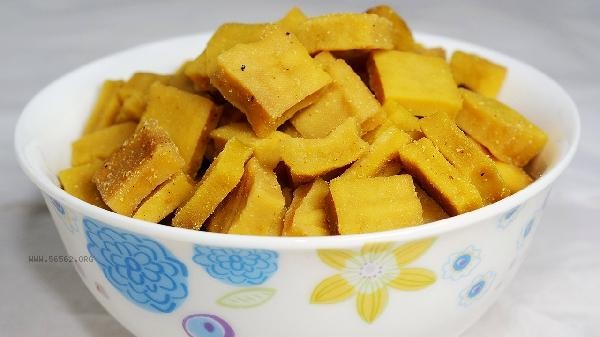
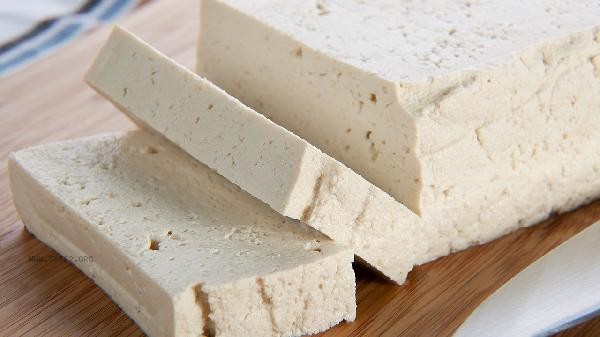
To make old style Stinky tofu, it is necessary to select compact northern tofu or special bean curd blanks, and cut them into even squares. The moisture content of tofu directly affects the taste of the finished product, and it is necessary to drain the water in advance. In traditional craftsmanship, the thickness of tofu pudding is controlled at around two centimeters, which facilitates subsequent uniform fermentation and deep frying. In some places, gypsum tofu is used instead of brine tofu because the former is more likely to absorb the flavor of brine.
2. Preparation of Brine
Stinky brine is the key to flavor formation. Traditional formulas include sealed fermentation of raw materials such as amaranth stems, bamboo shoots, and fermented black beans for several months. The modern simplified version can be prepared by adding shiitake mushrooms, winter bamboo shoots, and salt water, but the flavor is slightly inferior. The brine needs to maintain a constant temperature environment to promote microbial growth. High quality brine is dark green in color and has a special fermentation aroma. Impurities need to be filtered before use.
3. Soaking and Fermentation
Tofu cubes should be completely immersed in brine and fermented at room temperature for one to three days. Summer time is shortened to one day, while winter time needs to be extended. The fermentation process produces amino acids and volatile flavor compounds, and tofu gradually turns grayish white with fine pores. Excessive fermentation can lead to loose texture, and it is necessary to check the hardness changes of tofu daily.
4. Control water and air dry
The fermented tofu should be removed and drained, and placed in a ventilated place to air dry for half a day until a dry film is formed on the surface. This step can reduce splashing during frying and concentrate the flavor substances inside the tofu. Some processes may use heavy objects to lightly press tofu to discharge excess brine, but it is necessary to avoid damaging the structural integrity of tofu.
5. Deep frying setting
Use rapeseed oil or soybean oil to heat to high temperature, and deep fry Stinky tofu until golden and crisp. When frying, it is necessary to control the oil temperature to avoid external scorching and internal growth. Traditional methods involve frying again to increase crispness. The fried Stinky tofu can be served with chilli sauce, coriander and other condiments. In some places, special garlic juice or pickles will be poured to increase the flavor level.
When making old style Stinky tofu, attention should be paid to the hygiene of fermentation environment to avoid spoilage caused by miscellaneous bacteria pollution. It is recommended to control the fermentation time for homemade items, and the initial attempt can be shortened to one day to observe the effect. Before frying, make sure the tofu surface is dry and use a deep pot to prevent oil splashing and burns. Finished products should be fried and eaten immediately, as they may lose their crispy texture if stored for too long. If you prefer a richer flavor, you can add a small amount of shrimp sauce or fish sauce to the brine to enhance its freshness, but be aware of the risk of allergies. Traditional Stinky tofu has a high salt content, so people with hypertension should take it moderately.








Comments (0)
Leave a Comment
No comments yet
Be the first to share your thoughts!