
The natural fermentation of Stinky tofu usually adopts the traditional process, and the special flavor of tofu is produced through microbial fermentation. The main natural fermentation methods include brine soaking, straw wrapping, rice wine fermentation, fermented soybean paste mixed with bacteria, and vegetable juice fermentation.
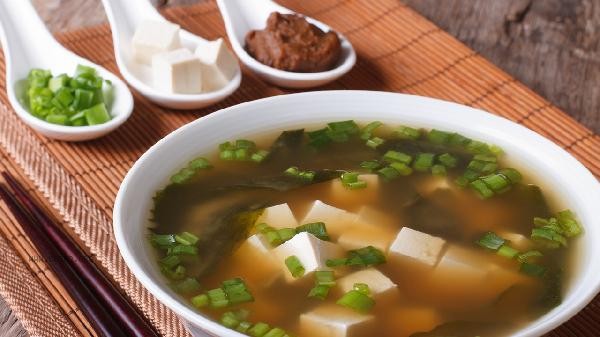
1. Brine soaking method
Cut fresh tofu into pieces and immerse them in specially made brine for fermentation. Brine is usually prepared by mixing salt, tea leaves, spices, and aged fermentation broth, and is fermented using mold and lactic acid bacteria. Tofu is soaked in a cool environment for several days until it forms mycelium on the surface, producing a unique odor. During the fermentation process, it is necessary to flip the tofu daily to evenly contact the bacterial community and avoid contamination by miscellaneous bacteria that may cause spoilage.
2. Straw wrapping method
selects dry and clean straw to wrap tofu layer by layer, and place it in a bamboo basket for natural fermentation. The natural Bacillus subtilis attached to straw can decompose tofu protein, producing amino acids and sulfides to form a special flavor. It is necessary to maintain a stable ambient temperature of 20-25 degrees Celsius and humidity control at around 70%. After about 5-7 days, a gray white bacterial film will appear on the surface of the tofu to complete fermentation.
3. Rice Wine Fermentation Method
Soak tofu chunks in rice wine lees or fermented wine. The yeast and root mold in rice wine can quickly initiate the fermentation process, decomposing soy protein in tofu to produce umami substances. The fermentation time of this method is relatively short, about 2-3 days can be completed, and the finished product has the complex flavor of wine and fermented bean curd. It is important to choose rice wine with moderate alcohol content to avoid alcohol inhibiting the growth of beneficial bacteria.
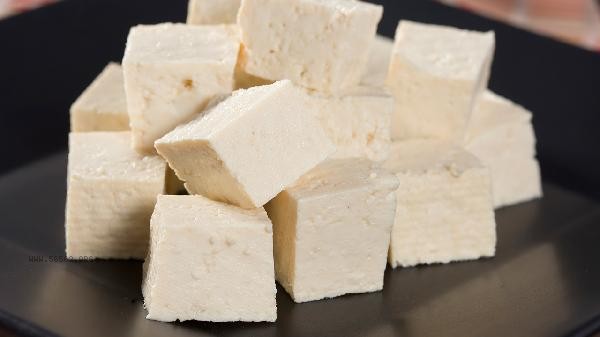
4. Soy Sauce Mixing Method
Mix tofu and soy sauce in proportion and seal for fermentation. The Aspergillus oryzae and Aspergillus niger in fermented soybean can promote the conversion of tofu protein, producing a special odor and freshness. Fermentation containers need to be strictly disinfected, maintain an anaerobic environment, and control the temperature at around 30 degrees Celsius. After about 7-10 days, the texture of tofu becomes soft and dark bacterial spots appear, indicating that fermentation is complete. This method has the strongest flavor.
5. Vegetable Juice Fermentation Method
Soak tofu in juice extracted from vegetables such as cabbage and mustard greens for fermentation. Lactic acid bacteria and natural enzymes in vegetable juice can break down tofu components, while glucosinolates in vegetables can enhance odor characteristics. Tofu should be completely immersed in the juice and slowly fermented at 15-20 degrees Celsius for 10-15 days. During this period, fresh vegetable juice should be regularly replenished to maintain fermentation activity.
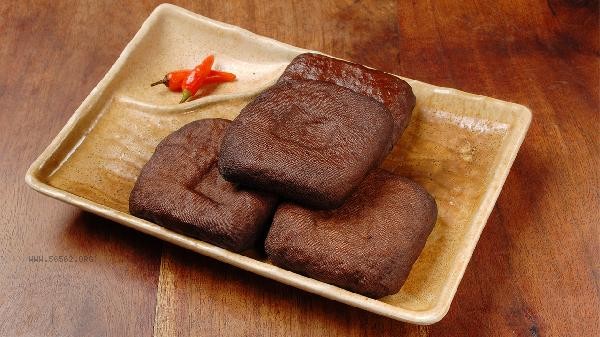
Special attention shall be paid to the sanitary conditions of naturally fermented Stinky tofu, and all containers and tools shall be sterilized at high temperature to avoid food safety problems caused by miscellaneous bacteria pollution. The fermentation environment should be kept ventilated and dry, with stable temperature and humidity. Before consumption, it is necessary to fully fry or steam to sterilize, and those with gastrointestinal sensitivity should control their consumption. The traditional fermentation process is complex and has a long cycle. It is recommended to choose fermentation strains produced by legitimate manufacturers on the market for home production, which can reduce food safety risks. The fermented Stinky tofu should be stored in cold storage and eaten as soon as possible. If there is abnormal color or odor, it should be discarded immediately.








Comments (0)
Leave a Comment
No comments yet
Be the first to share your thoughts!