
Mild abnormalities in liver function after pregnancy are usually caused by physiological changes during pregnancy, and in most cases do not require special treatment. Abnormal liver function may be related to factors such as hormonal changes during pregnancy, increased liver burden, improper diet, viral hepatitis, and intrahepatic cholestasis of pregnancy. It is recommended that pregnant women regularly check their liver function, avoid high-fat diets, and ensure adequate rest.
1. Hormonal changes during pregnancy
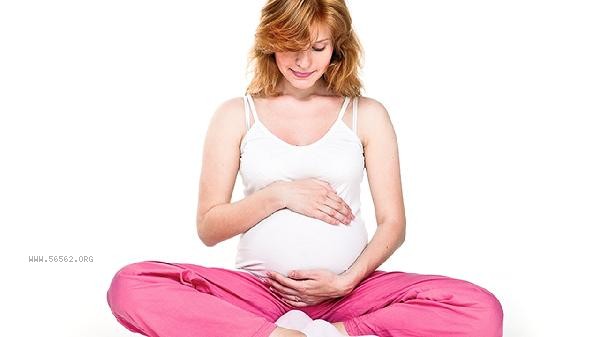
After pregnancy, the levels of estrogen and progesterone in the body significantly increase, which may affect liver metabolic function and lead to mild elevation of transaminases. This is a physiological change that gradually returns to normal as pregnancy progresses or after delivery. Pregnant women can alleviate symptoms by reducing their intake of greasy foods and increasing their intake of vitamin B supplements without excessive worry.
2. Increased burden on the liver
During pregnancy, the mother needs to handle the metabolic products of the fetus, and an increase in liver workload may lead to abnormal functional indicators. It is recommended to eat high-quality protein such as fish and soy products in separate meals, and avoid consuming large amounts at once. Moderate exercise such as walking can help promote blood circulation and reduce metabolic pressure on the liver.
3. Improper diet
Excessive intake of high sugar and high-fat foods may increase the burden on the liver. Pregnant women should maintain a light diet, consume no less than 500 grams of fresh vegetables and fruits daily, and prioritize low oil cooking methods such as steaming. Foods rich in antioxidants such as broccoli and carrots can help with liver repair.

4. Viral hepatitis
hepatitis B virus carriers may have liver function fluctuations after pregnancy. It is necessary to judge the virus replication through hepatitis B DNA testing, and use tenofovir and other antiviral drugs under the guidance of doctors when necessary. Newborns should be vaccinated with hepatitis B vaccine and immunoglobulin in time after birth.
5. Intrahepatic cholestasis of pregnancy
This condition is characterized by skin itching and abnormal liver function, which may be related to genetic and hormonal factors. After diagnosis, bile acid levels need to be monitored, and doctors may recommend using ursodeoxycholic acid to improve symptoms. In severe cases, early termination of pregnancy is necessary to prevent fetal distress. Pregnant women who discover abnormal liver function should avoid self medication and undergo regular prenatal check ups to review liver function indicators. Maintaining 8 hours of sleep per day and fasting 3 hours before bedtime can reduce the burden on the liver. Seek medical attention immediately if symptoms such as yellow skin staining and severe fatigue occur. Pay attention to observing changes in fetal movement and monitor fetal heart rate every week during late pregnancy. In terms of diet, it is advisable to consume medicinal and edible ingredients such as goji berries and red dates in moderation, but it is necessary to avoid taking health products with unknown ingredients.




Comments (0)
Leave a Comment
No comments yet
Be the first to share your thoughts!