
The quality of wine can be evaluated comprehensively from five dimensions: color, aroma, taste, balance, and aftertaste.
1. Color
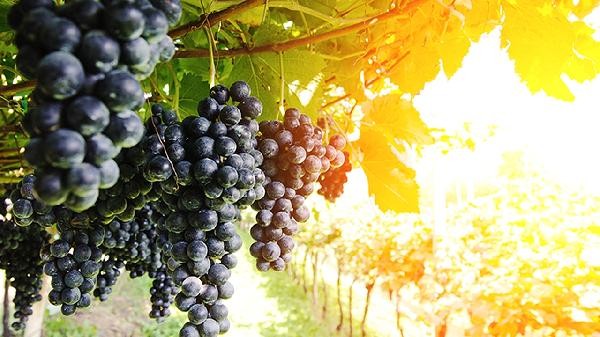
The color of high-quality wine should be clear and transparent, with red wine presenting a ruby red or purple red tone, and white wine being light yellow or golden yellow. Observing the color changes at the edges of the wine can determine the vintage. Young red wine tends to have a purple edge, while aged red wine tends to have a brick red color. If the wine is cloudy or has suspended solids, it may have been stored improperly or spoiled.
2. Aroma
High quality wines have distinct aroma characteristics. At first smell, there should be a clear fruity or floral aroma, and shaking the glass can release secondary aromas such as vanilla and baking brought by oak barrel aging. Poor quality wine may have a sour and moldy odor, and excessive oxidation can emit a smell similar to rotten apples.
III. Taste
High quality wine should have a smooth and full mouthfeel, with delicate tannins and no astringency. The tannin structure of red wine needs to be balanced with acidity, while the acidity of white wine should be fresh and crisp. When tasting, pay attention to the weight of the wine in the mouth. Poor quality wine may have a burning sensation or a thin water like texture.
Fourth, Balance
The sweetness, acidity, tannins, and alcohol of a good wine need to achieve a harmonious unity. Excessive alcohol can mask other flavors, and strong acidity can appear sharp and stimulating. Wines with strong aging potential often have prominent elements when they are young, but they can gradually blend with aging.
V. Aftertaste
Wines with excellent quality usually have a lasting aftertaste of more than 15 seconds, which is consistent with the main flavor. Poor quality wine may have a short aftertaste or unpleasant taste such as bitterness. The length of aftertaste is positively correlated with the content of polyphenols in the wine, and is an important indicator for judging the quality of the wine.
During daily tasting, professional wine glasses can be prepared to control the temperature between 16-18 ℃, avoiding the use of aromatic glasses that interfere with judgment. After opening the bottle, let it stand still and observe the phenomenon of the wine hanging in the cup. Paired with tasteless cookies to clean the mouth, taste the performance at different temperatures in batches. When storing, be careful to store it horizontally in the dark and maintain a constant temperature and humidity. If the cork is found to be dry and cracked or the liquid has visibly changed color, it may no longer be suitable for drinking.








Comments (0)
Leave a Comment
No comments yet
Be the first to share your thoughts!