
When cleaning jackfruit, it is recommended to wash the surface with flowing water first, then soak it in light salt water and remove pectin. The skin of jackfruit is thick and contains sticky juice. When cleaning, please pay attention to avoid the juice contacting the skin or clothes.
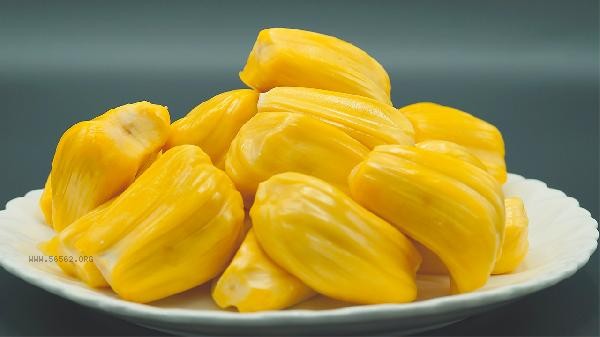
Wash the whole jackfruit under flowing water for more than 30 seconds, focusing on the skin folds. Rinsing can remove surface dust and some pesticide residues. Then use kitchen paper to absorb the moisture, and place a layer of cling film or oil paper on the cutting board to prevent juice from contaminating the countertop during subsequent operations. When cutting the skin longitudinally with a knife, a small amount of cooking oil can be applied to the blade to reduce adhesion. After peeling off the skin, the white filamentous material around the flesh is edible, but the taste is rough and can be retained or removed according to personal preference. If the skin accidentally comes into contact with the juice during the SEP treatment, immediately apply edible oil to dissolve it, and then rinse with detergent. The viscous substance contains jackfruit protease, which may cause skin itching. It is recommended to wear gloves for those with allergies. After removing the nucleus, the fruit pulp can be soaked in light salt water for 10 minutes, which can neutralize enzyme activity and enhance sweetness. The cleaned fruit pulp should be consumed or refrigerated as soon as possible, as leaving it at room temperature for more than 2 hours can easily breed bacteria.
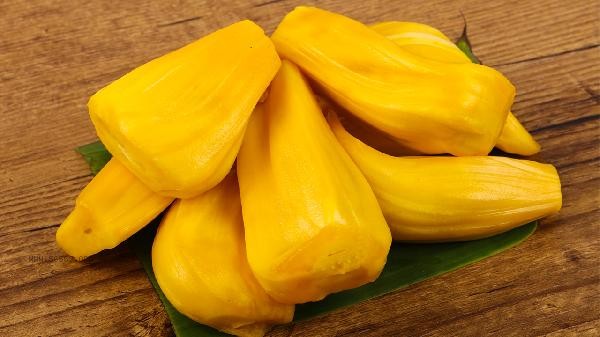
jackfruit is rich in vitamin B group and dietary fiber, but its core and immature pulp contain trace hydrocyanic acid, which must be completely removed. It is recommended to limit the consumption to no more than 200 grams per time to avoid excessive intake that may cause gastrointestinal discomfort. Patients with diabetes should pay attention to the high sugar content, and patients with gout should be alert to the moderate purine content in the pulp. The correct cleaning method can ensure food safety and maximize the retention of nutrients.









Comments (0)
Leave a Comment
No comments yet
Be the first to share your thoughts!