
Middle aged women can achieve abdominal weight loss by adjusting their diet structure, increasing aerobic exercise, strengthening core training, improving lifestyle habits, and medical interventions. Abdominal obesity may be related to factors such as hormonal changes, slowed metabolism, unhealthy eating habits, lack of exercise, and chronic stress.

1. Adjust dietary structure
Reduce intake of refined carbohydrates and high sugar foods, and increase the proportion of high-quality protein and dietary fiber. It is recommended to choose low glycemic index foods such as whole grains, broccoli, and chicken breast, and avoid fried foods and sugary drinks. Three meals a day should be scheduled and quantified, dinner should not be eaten too late, and total calorie intake should be controlled within a reasonable range.
2. Increase aerobic exercise
Engage in 4-5 sessions per week of moderate to low-intensity aerobic exercise lasting more than 30 minutes, such as brisk walking, swimming, or cycling. Maintaining heart rate in the range of 60% -70% of maximum heart rate during exercise helps activate fat metabolism. Persisting for more than 3 months can significantly reduce visceral fat accumulation and improve waist hip ratio.
3. Strengthen core training
Strengthen the transverse and rectus abdominis muscles through exercises such as plank support and supine rolling, three times a week for 15-20 minutes each time. Strengthening the core muscle group can improve abdominal relaxation, but attention should be paid to the standardization of movements to avoid lumbar compensation. Pilates or yoga can be combined to enhance muscle control.

4. Improve lifestyle habits
Ensure 7-8 hours of high-quality sleep per day and avoid elevated cortisol levels caused by staying up late. Relieve stress and reduce emotional eating through meditation, deep breathing, and other methods. Quit smoking and limit alcohol consumption to prevent alcohol from inhibiting fat oxidation metabolism. Establishing a regular daily routine helps maintain leptin levels.
5. Medical Intervention
For patients with concomitant insulin resistance or hypothyroidism, medication such as metformin tablets or levothyroxine sodium tablets should be used under the guidance of a doctor. Local stubborn fat accumulation can consider medical beauty methods such as cryolipolysis, but it is necessary to choose a regular medical institution. Severe obesity can be evaluated for metabolic surgery indications.
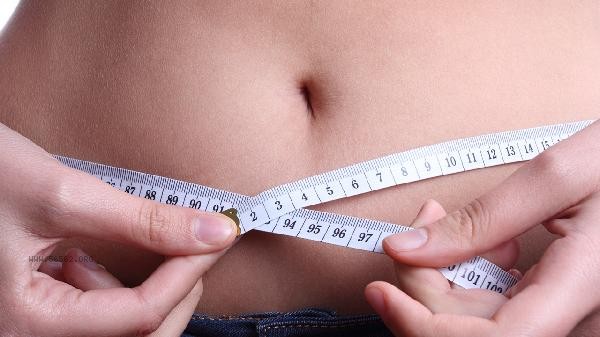
Middle aged women need to adhere to comprehensive management to reduce abdominal fat and avoid rapid dieting that can lead to muscle loss. It is recommended to lose no more than 5% of body weight per month and monitor the composition of the compound. Drinking green tea or consuming salmon rich in omega-3 fatty acids in daily life can help regulate lipid metabolism. If menstrual disorders or persistent fatigue occur, timely medical attention should be sought to screen for endocrine diseases such as polycystic ovary syndrome.








Comments (0)
Leave a Comment
No comments yet
Be the first to share your thoughts!