
The key to long-term storage of potatoes lies in controlling temperature, humidity, light, and ventilation conditions. There are mainly methods such as avoiding light storage, low-temperature drying, packaging and isolation, regular inspection, and avoiding mixing.
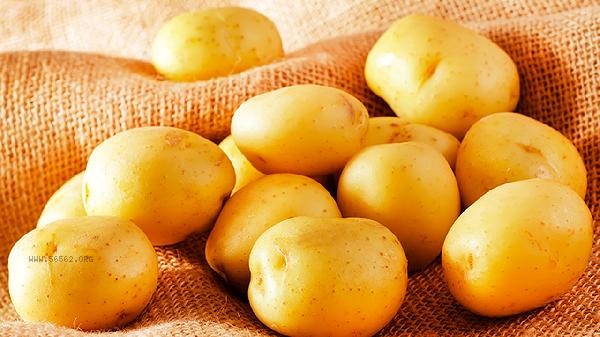
1. Avoid light storage
Potato germination is directly related to light exposure. Sunlight or strong light can activate the synthesis of solanine in tubers, leading to greening of the epidermis and sprouting of bud eyes. It is recommended to use black plastic bags or cardboard boxes to cover and store in dark places such as cabinets and basements. If green skin is found, the green part must be thoroughly removed before consumption.
2. Low temperature drying
A low temperature environment of 4-8 ℃ can effectively inhibit potato respiration, but it should not be lower than 0 ℃ to prevent freezing damage. The relative humidity should be maintained between 85% and 90%. If the humidity is too high, it is prone to mold growth, while if it is too low, it can cause wrinkling. Dry sawdust or newspaper can be placed on the vegetable and fruit layer of the cellar or refrigerator to absorb moisture, while avoiding contact with the back wall of the refrigerator.
3. Packaging and isolation
Divide potatoes into groups of 10-15 and pack them in mesh or bamboo baskets, leaving gaps when stacking. Damaged potatoes need to be stored separately, as the ethylene released will accelerate the decay of surrounding potatoes. Do not mix with vegetables and fruits that release a large amount of ethylene, such as onions and bananas. It is recommended to keep a distance of at least 50 centimeters between them.
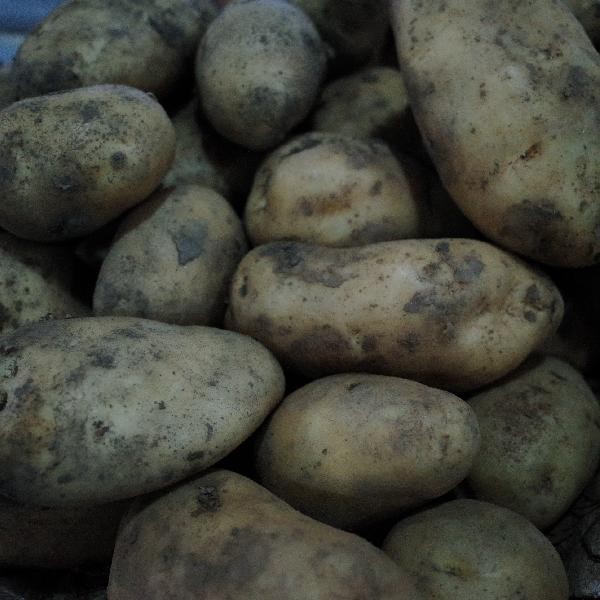
4. Regular inspection
During the initial storage period, check every 3 days, and after two weeks, change to once a week. Focus on investigating germination, mold spots, and soft rot, and promptly eliminate diseased individuals. Handle with care during inspection to avoid mechanical damage. If large areas of decay are found, the storage container should be thoroughly disinfected.
5. Avoid mixing
Different varieties of potatoes have significant differences in storage tolerance. New potatoes with high moisture content should be prioritized for consumption, while old potatoes with high starch content are more resistant to storage. It is recommended to choose late maturing varieties with thick skin for winter storage, such as purple skinned potatoes. Cannot be stored together with sweet potatoes, the suitable humidity difference between the two is more than 20%. Potatoes stored for a long time will gradually lose their nutrients, with vitamin C content decreasing by about 15% per month. It is recommended that households purchase no more than two weeks' worth of goods at a time. Before consumption, it is necessary to observe the depth of the bud eyes. If the germination exceeds 2 millimeters or a bitter taste appears, it should be discarded. You can try making potatoes into dried potatoes or frozen french fries to extend their shelf life, but the taste will decrease after reheating. Keeping the environment clean during storage and regularly opening windows for ventilation can effectively reduce the probability of disease occurrence.









Comments (0)
Leave a Comment
No comments yet
Be the first to share your thoughts!