
The key to long-term preservation of rice lies in controlling humidity, temperature, and pest and mold prevention. There are mainly methods such as sealed storage, low-temperature refrigeration, avoiding light and drying, regular sun exposure, and using insect repellents.
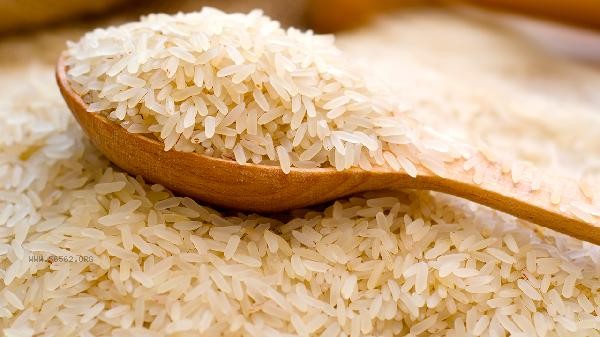
1. Sealed storage
Using food grade sealed containers or vacuum bags to store rice can effectively isolate air and moisture. Glass jars, plastic buckets, and other containers must ensure that the lid has a rubber ring seal, and food desiccants can be placed on the surface after filling with rice. Rice packaged in vacuum should be transferred to a sealed container as soon as possible after opening to avoid moisture absorption and spoilage upon contact with air.
2. Low temperature refrigeration
Divide the rice into small portions and place them in the refrigeration layer of the refrigerator. Keeping the temperature at around 4 ℃ can inhibit the hatching of insect eggs. Before refrigeration, ensure that the rice is completely dry and wrap the container with plastic wrap to prevent condensation from seeping in. Freezing storage can extend the shelf life to more than 1 year, but it should be consumed as soon as possible after thawing to avoid clumping due to reheating.
3. Avoid light and dry
Choose a cool and ventilated storage environment to avoid direct sunlight that can cause oil oxidation. Bamboo charcoal bags or silicone desiccants can be placed in the storage cabinet to absorb moisture, and it is recommended to control the relative humidity below 60%. Light resistant containers such as pottery jars and stainless steel barrels are more conducive to delaying changes in rice quality than transparent packaging.
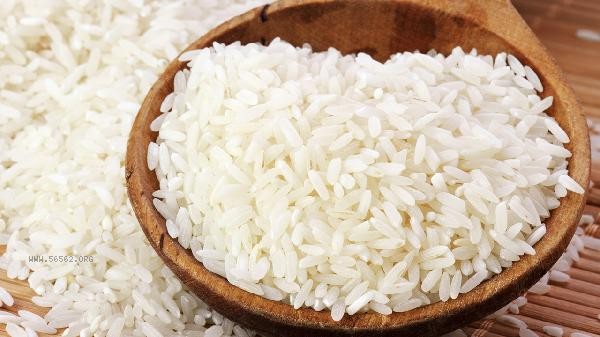
4. Regular sun drying
During the rainy season or in humid areas, it is recommended to lay the rice flat and dry it for 1-2 hours every month, sterilize it with ultraviolet light, and evaporate the water. When drying, avoid strong sunlight at noon and the thickness of the thin layer should not exceed 3 centimeters. After drying, it needs to be thoroughly cooled and resealed to prevent condensation due to temperature differences.
5. Mix with insect repellent
Place natural insect repellent materials such as Sichuan pepper bags, garlic cloves, or food grade diatomaceous earth in the container to avoid contaminating the food with chemical insect repellents. Spices such as bay leaves and dried chili peppers also have insecticidal effects and need to be replaced regularly to maintain odor concentration. When pests such as rice weevils are found, they should be immediately screened and contaminated rice should be treated with high temperature.
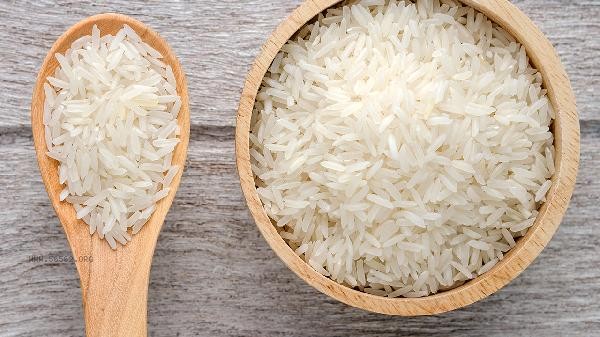
For long-term storage of rice, it is recommended to prioritize new rice packaged in vacuum, as aged rice is more prone to aflatoxin contamination. Avoid storing together with volatile substances such as detergent and perfume during storage, and check whether there is mildew and caking every month. Before cooking, pay attention to washing and observing whether the water quality is turbid. If the rice is moldy, it will produce a halal taste and there will still be yellow green residue after washing. This type of rice should be discarded immediately and cannot be eaten. A small amount of rice can be stored separately as a turnover grain in daily life to reduce the frequency of opening the main storage container.








Comments (0)
Leave a Comment
No comments yet
Be the first to share your thoughts!