
It is recommended to discard the moldy food directly and not remove the moldy part before continuing to consume. Moldy food may produce harmful substances such as aflatoxins, and high-temperature cooking cannot completely destroy their toxicity. The fungal toxins produced by moldy food can penetrate into the interior and the extent of contamination cannot be determined by the naked eye. Aflatoxin has strong carcinogenicity and may damage liver function; Penicillin may cause neurotoxicity; Ochratoxin may pose a threat to kidney health. These toxins are heat-resistant and cannot be broken down by conventional cooking. Long term intake can increase the risk of cancer. When the surface of some low moisture foods such as hard sausages, cheese, etc. is slightly moldy, the surrounding area can be cut off for more than 3 centimeters before consumption. But once fruits, bread, nuts and other high moisture or loose structured foods become moldy, they must be discarded in whole portions. Infants, pregnant women, and immunocompromised individuals should strictly avoid contact with moldy food.
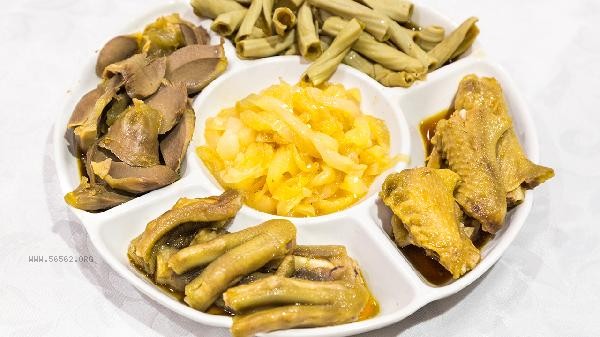
Daily food storage should be sealed and moisture-proof. Grains and nuts are recommended to be refrigerated, and cooked food should be consumed as soon as possible. Regularly check the status of dry goods in the tray, and if mold is found, handle it immediately and thoroughly clean the container. Cultivate a food safety awareness of 'willing to waste rather than take risks', and reduce health hazards such as aflatoxins from the source.








Comments (0)
Leave a Comment
No comments yet
Be the first to share your thoughts!