
The quality of wine can be distinguished by observing its appearance, smelling its aroma, tasting its taste, examining the year of origin, and understanding the winemaking process. High quality wines typically have a clear and transparent body, rich layering, balanced taste, and a long-lasting aftertaste.
1. Observe appearance
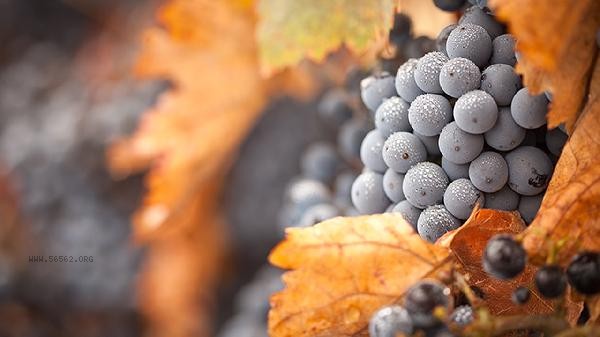
High quality wine has clear and transparent liquid, without suspended solids or sediment. Red wine should present a natural ruby red or purple red color, while white wine should be light yellow or golden yellow. If the wine is cloudy, has abnormal color, or contains a large amount of sediment, it may be caused by poor quality wine or improper storage. Tilt the glass and observe the edges of the wine. The edges of young red wine are purple, while those of aged red wine tend to be brick red.
2. Smell the aroma
High quality wine has pure and rich fruit or floral aromas, without pungent alcohol or mold flavors. Gently rotate the glass to release the aroma. Red wine may present fruity aromas such as cherries and blackcurrants, while white wine has a refreshing scent of citrus, apples, and more. Poor quality wine may have unpleasant odors such as vinegar sour taste and wet cardboard smell, indicating oxidation or contamination of the wine body.
3. Taste
High quality wine has a smooth entrance, balanced acidity, tannins, and sweetness, and a long-lasting aftertaste. The tannins in red wine should be delicate and not astringent, while the acidity in white wine should be refreshing and not sharp. Poor quality liquor may have problems such as alcohol burning sensation, prominent bitter taste, or bland taste. High quality wine leaves a fruity or spicy aftertaste in the mouth after swallowing, while low-quality wine quickly dissipates or produces an uncomfortable aftertaste.
4. Checking the year of origin
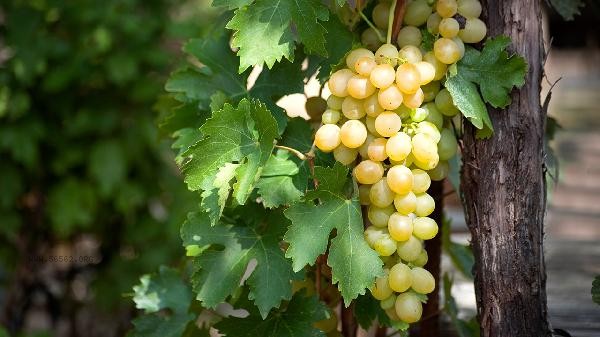
High quality wines are usually labeled with clear information about their place of origin and year. The quality of wine from well-known production areas such as Bordeaux and Burgundy in France is relatively guaranteed. The vintage affects the ripeness of grapes, and wines from good vintages have fuller bodies. Be wary of products with false labeling or unclear origin, as some low-quality wines may be made from grapes from different vintages or regions.
5. Understand the brewing process
Traditional oak barrel aged wine has a more complex flavor, and high-quality wines will be labeled with the brewing method and aging time. The quality of naturally fermented and hand picked wine is superior to that of industrially produced products. Some inferior wines may have added sugar and color to adjust their taste, or use inferior oak slices instead of oak barrels for aging.
When purchasing wine on a daily basis, it is advisable to prioritize products from legitimate channels and pay attention to checking the completeness of the wine label information. Maintain a constant temperature and avoid light during storage, and consume as soon as possible after opening the bottle. Red wine can be decanted appropriately before tasting, and white wine is better consumed after refrigeration. When pairing food, pay attention to the balance between the weight of the wine and the flavor of the dish. For example, heavy tannin red wine is suitable for pairing with red meat, and refreshing white wine is suitable for pairing with seafood. Long term excessive alcohol consumption is harmful to health, and it is recommended that adults consume no more than 25 grams of alcohol per day.








Comments (0)
Leave a Comment
No comments yet
Be the first to share your thoughts!