
The main methods for cooking rice include soaking the rice, controlling the amount of water, selecting the appropriate heat, stewing the rice, and loosening the rice.
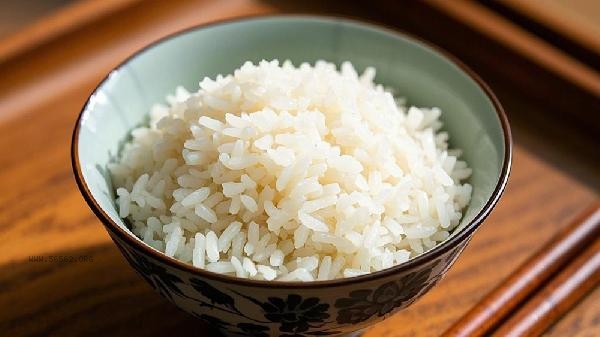
1. Soak Rice
Put the rice into a container and add an appropriate amount of water to soak for 15 to 30 minutes. Soaking can make the rice grains fully absorb water, relax the starch structure, and make the cooked rice taste softer. In summer, room temperature water can be used, and in winter, it is recommended to use warm water to shorten the soaking time. Be careful not to soak for more than 1 hour, otherwise the nutrients on the surface of the rice grains are easily lost.
2. Control water volume
The ratio of rice to water is usually 1:1.2 to 1:1.5, which is adjusted according to the variety of rice. Japonica rice requires less water, while indica rice requires slightly more water. Can be measured using the finger joint method: the water surface is about one finger joint above the meter level. New rice can reduce its water content by 10%, while aged rice needs to increase its water content. When using an electric rice cooker, it is more accurate to refer to the scale line on the inner pot.
3. Choose the appropriate heat
After boiling on high heat, immediately reduce the heat to low and cook slowly to avoid continuous boiling and rapid evaporation of water. Traditional open flame cooking requires keeping the lid slightly open to prevent overflow, and the automatic program of the rice cooker does not require adjustment. During the cooking process, it is important to avoid frequently opening the lid to check, as steam loss can affect the rice's ripeness. The entire cooking process takes about 15 to 20 minutes.
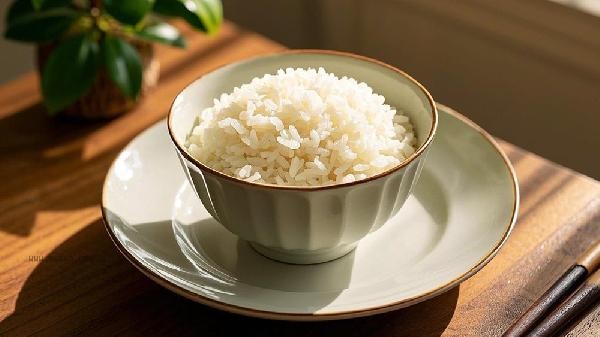
4. Stewed rice processing
After turning off the heat, continue to simmer for 10 to 15 minutes, using the remaining temperature to fully gelatinize the rice grains. Stewed rice can evenly distribute moisture and eliminate the phenomenon of hard cores. Using pots or rice cookers with good insulation performance can extend the cooking time to 20 minutes, but exceeding 30 minutes may cause the rice to dry out. If you find a slight burnt bottom, you can use a damp towel to accelerate the cooling process.
5. Loosen Rice
Use a rice spoon to gently flip the rice along the edge of the pot, making the upper and lower layers of rice grains loose and even. The movements should be gentle to avoid the breakage of rice grains, and wooden rice spoons are not easy to conduct heat and are safer. After loosening, continue to cover and keep warm for 5 minutes to allow the water vapor to rebalance. Boiled rice should be consumed immediately, as prolonged insulation can accelerate starch aging and affect taste.
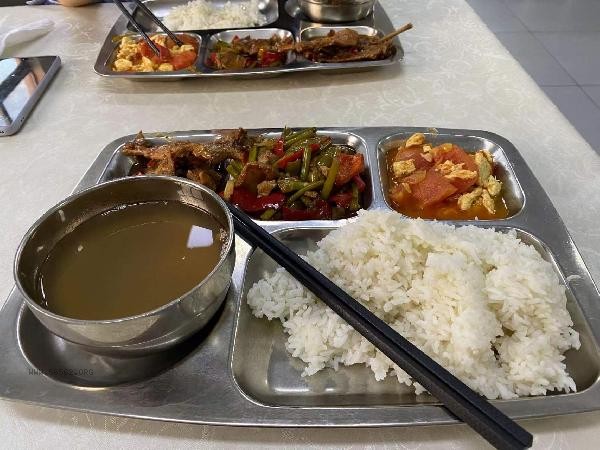
It is recommended to use fresh rice when cooking rice, and extend the soaking time for aged rice stored for more than six months. When mixing different varieties of rice for cooking, the amount of water should be controlled according to the variety with higher water absorption rate. Patients with diabetes can choose brown rice or add coarse cereals, but they need to soak more than 2 hours in advance. Avoid using repeatedly boiled water or pure boiled rice, as the minerals in tap water contribute to the formation of rice aroma. If cooked rice cannot be consumed in a timely manner, it can be spread flat, cooled, and refrigerated for storage. When reheating, sprinkle a small amount of boiling water to restore the taste.








Comments (0)
Leave a Comment
No comments yet
Be the first to share your thoughts!