
When soaking dried cauliflower in water, it should be soaked in cold water for 30 minutes first, and then soaked in warm water for 2 hours until fully stretched. The main methods for soaking cauliflower include initial soaking in cold water, secondary soaking in warm water, removing impurities, controlling water temperature, and avoiding prolonged soaking.

1. Initial soaking in cold water
Place the dried cauliflower in a clean container and add enough cold water to completely submerge it. Soaking in cold water can slowly soften the algal fibers and prevent the outer layer of gum from dissolving too quickly due to high temperatures. During the soaking process, gently stir to help impurities settle, and after 30 minutes, pour out the turbid water. This step can remove surface salt and fine sand particles, laying the foundation for subsequent foaming.
2. Soak in warm water for a second time
Change to 40-50 degrees Celsius water and continue soaking for about 2 hours. If the water temperature is too high, it will damage the seaweed polysaccharides in the cauliflower. It is recommended to use glass or ceramic materials for the foaming container to avoid metal utensils affecting the taste. Observing that the algal body appears semi transparent and expands 3-4 times in volume indicates the completion of foaming. At this point, the texture should be flexible and elastic. If there is still a hard core in the center, the foaming time can be extended.
3. Remove impurities
During the foaming process, it is necessary to rinse with water multiple times and gently rub the gaps in the algae body with your fingers. Pay special attention to removing tiny shells or algae impurities attached to the folds, and use tweezers to assist in cleaning if necessary. The final soaking water should be clear and free of suspended solids, as this step directly affects the food safety and taste of the finished product.
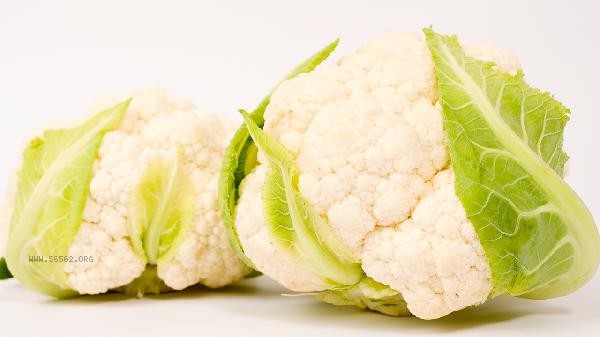
4. Control water temperature
In winter, slightly higher water temperature can be used to accelerate foaming, while in summer, attention should be paid to high room temperature, which can cause the water quality to become acidic. Water temperature exceeding 60 degrees Celsius can cause cauliflower to become excessively soft and tender, losing its crisp texture. It is recommended to use a food thermometer for monitoring. If the water temperature drops, it can be heated separately to maintain a constant temperature. Special varieties such as chicken feather vegetables need to be treated with a water temperature reduced by 5 degrees Celsius.
5. Avoid prolonged soaking
After fully soaking, immediately drain the water as prolonged soaking can cause nutrient loss. Unused cauliflower can be stored in a fresh-keeping box and refrigerated for 2-3 days. It should be rinsed with running water before reuse. If the algal body is found to be sticky or produce an unpleasant odor, it should not be consumed. The total amount of foam should be used once to avoid repeated freezing and thawing.
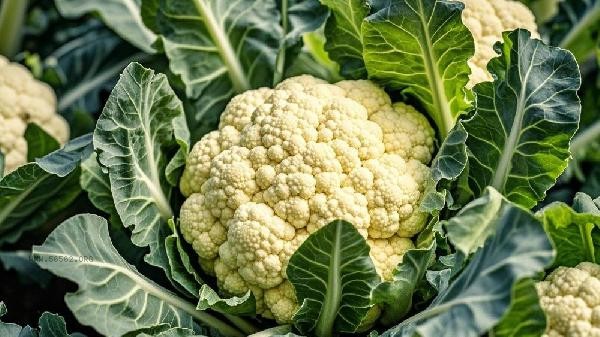
Well soaked cauliflower can be cold mixed, boiled in soup, or stir fried, rich in alginate protein and various minerals. Daily consumption is recommended no more than 3 times a week, and those with weak gastrointestinal function should reduce their intake. Before cooking, blanch for 10 seconds to remove the fishy smell, and pair with ginger juice or vinegar to improve digestion and absorption rate. Pay attention to consuming high tannic acid foods 2 hours apart to avoid affecting iron absorption. Dry products should be sealed and moisture-proof, and stored in a cool and ventilated place for 6-8 months.








Comments (0)
Leave a Comment
No comments yet
Be the first to share your thoughts!