
The main methods for detecting pork moisture include sensory testing, drying, distillation, resistance testing, and near-infrared spectroscopy.
1. Sensory detection method
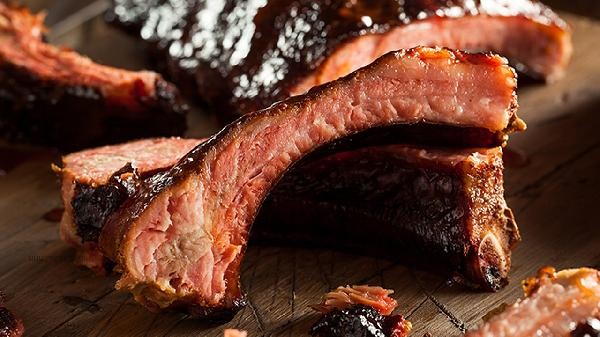
Sensory detection method determines the moisture content of pork by observing its color, elasticity, and surface condition. Fresh pork has a bright red and glossy color, and can quickly rebound after pressing. The surface is slightly wet but not sticky to the hands. If the color of pork turns white or dark, and the depression is difficult to recover after pressing, the surface may be too wet or have mucus, which may indicate abnormal moisture content. This method is simple, fast, but subjective, suitable for daily household use.
2. Drying Method
The drying method is to heat the pork sample in a constant temperature oven until the moisture is completely evaporated, and calculate the moisture content by calculating the mass difference. The commonly used temperature is 105 degrees Celsius, continuously heated to a constant weight. This method is accurate and reliable, and is a commonly used standard method in the laboratory, but it takes a long time, usually several hours, and can damage the sample.
3. Distillation Method
Distillation method uses organic solvents to azeotropic distill the water in pork, and calculates the water content by collecting and measuring the volume of the distillate. The commonly used solvents are toluene or xylene, and this method is suitable for detecting samples containing volatile substances. The operation is relatively safe, but it requires professional equipment and the solvent may remain.
4. Resistance method
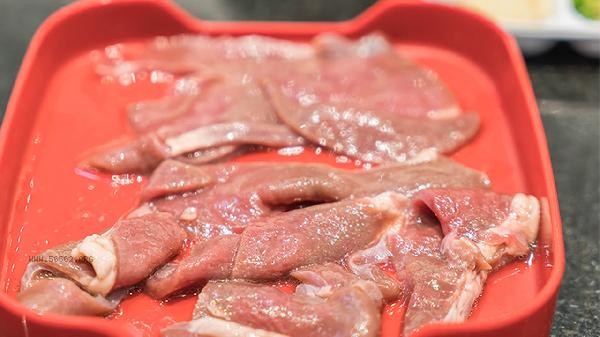
The resistance method indirectly reflects the moisture content by measuring the resistance value of pork, and the higher the moisture content, the lower the resistance. The use of a specialized moisture analyzer can quickly obtain results and is suitable for on-site testing on production lines. However, this method is affected by factors such as temperature and ion concentration, requiring regular calibration and high requirements for sample uniformity.
5. Near infrared spectroscopy
Near infrared spectroscopy uses the absorption characteristics of moisture for specific wavelength light for non-destructive testing, and quickly analyzes moisture content by establishing a mathematical model. This method does not damage the sample and can produce results within seconds, making it suitable for large-scale testing. However, the equipment is expensive and requires regular maintenance and calibration, which requires high technical requirements for operators.
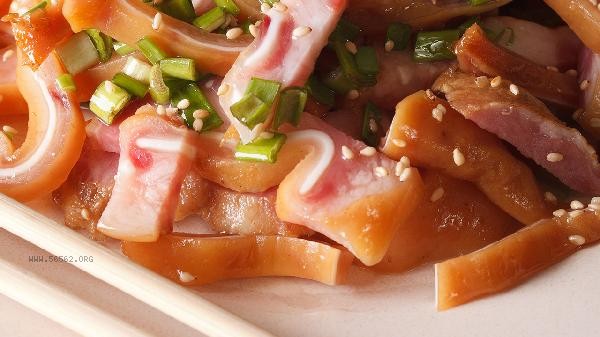
When purchasing pork on a daily basis, the moisture content can be preliminarily determined through sensory testing, and pork with a slightly moist, elastic surface and no odor can be selected. When storing, it should be placed in the refrigerator compartment and consumed as soon as possible to avoid moisture loss or spoilage. Before cooking, kitchen paper can be used to remove excess surface moisture, and cooking methods such as steaming and boiling can be used to retain moisture. If severe water seepage or abnormal slippery texture is found in pork, it is recommended to stop consumption to ensure food safety. Professional testing institutions can use a combination of multiple methods to improve testing accuracy and ensure the quality of meat products.







Comments (0)
Leave a Comment
No comments yet
Be the first to share your thoughts!