
Ham sausage is mainly made from poultry meat, starch, plant protein, food additives, and seasonings. Common ingredients include pork, chicken, starch, soy protein, salt, sugar, spices, and preservatives. The processing of ham sausage involves steps such as pickling, stirring, filling, steaming, etc., ultimately forming ready to eat meat products.
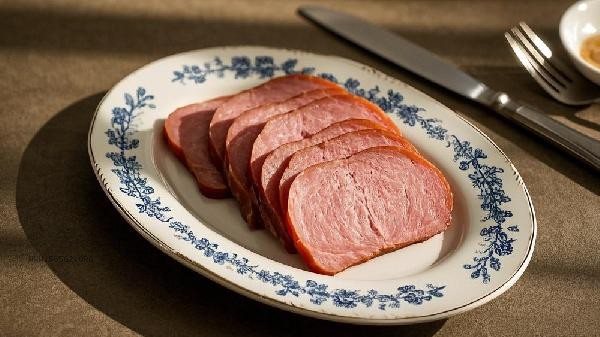
1. Livestock and poultry meat
The main raw materials for ham sausages are pork or chicken, and some products may be mixed with other meats. Meat is ground into minced meat, which provides protein and fat components. The choice of meat directly affects the taste and flavor of the finished product, usually using lean meat and fatty meat in proportion.
2. Starch
Starch is a common filler in ham sausages, used to improve texture and reduce costs. Commonly used starches include corn starch, potato starch, etc. The amount added can affect the elasticity and slimness of the product. Excessive addition may result in a noticeable powdery texture.
3. Plant protein
Soy protein isolate is often added to increase protein content and improve water retention. This ingredient can enhance the gel of the meat paste and make the ham sausage more elastic and chewy. Some products may contain wheat protein or other plant-based protein sources.
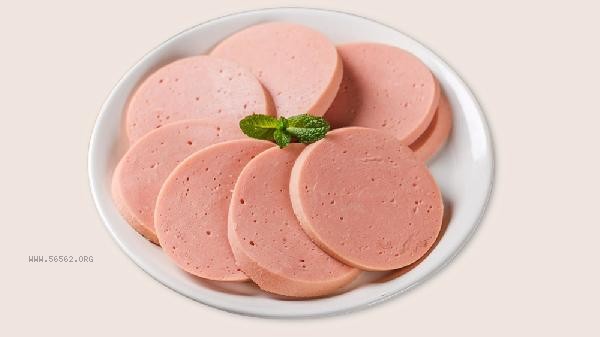
4. Food Additives
Ham sausages often contain additives such as phosphates and nitrites. Phosphates are used to retain moisture and improve texture, while nitrites have coloring and preservative effects. Some products may add colloids such as carrageenan to enhance structural stability.
5. Seasoning
Seasoning ingredients such as salt, sugar, monosodium glutamate, and spices give ham sausages a specific flavor. Different brands may use unique formulas, which may include garlic powder, pepper powder, chili powder, etc. Some high-end products will reduce additives and increase the use of natural flavors.
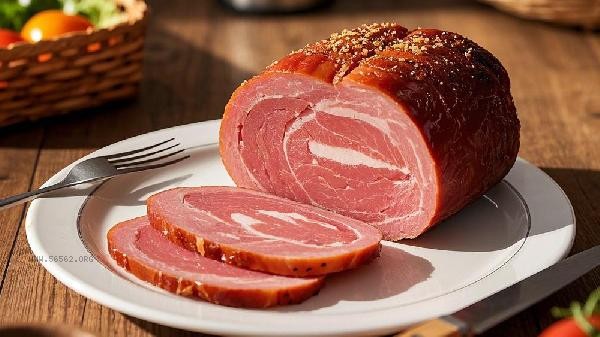
It is recommended that consumers choose products with simple ingredient lists and fewer additives, and pay attention to the frequency of moderate consumption. Ham sausage is a processed meat product, and long-term consumption in large quantities may increase health risks. Fresh vegetables and fruits can be paired with daily diet to balance nutrient intake. Pay attention to checking the production date and shelf life when purchasing. After opening, refrigerate and consume as soon as possible. Special populations such as hypertensive patients should pay attention to sodium content, and it is recommended to control the amount when children consume it.








Comments (0)
Leave a Comment
No comments yet
Be the first to share your thoughts!