
Watching the numbers on the scale remain unchanged, while the colleague next door boasts about their record of losing 5 pounds in a week, aren't you also itching? Don't rush to follow the trend, this' lightning fast weight loss' may be stealing your health. The body is not a balloon, deflating too quickly can easily deflate, and losing weight too quickly may bring unexpected troubles.
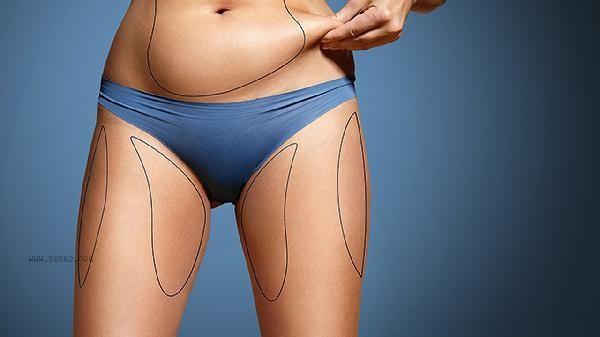
1. Why doctors do not recommend rapid weight loss
1. The body enters a "hunger mode" [SEP]. When calorie intake suddenly drops sharply, the brain mistakenly believes it is experiencing hunger and automatically lowers the basal metabolic rate. Just like turning on power-saving mode on a mobile phone, even the calories consumed by breathing will be reduced, making it easier to rebound when returning to normal eating later on.
2. Muscle loss is faster than fat
During extreme dieting, the body will prioritize breaking down muscles rather than fat to provide energy. A decrease in muscle mass can lead to further metabolic decline, forming a vicious cycle of losing weight and gaining weight, and the body shape may also change from an "apple" to a "puff pastry".
3. Endocrine system disorders
Severe fluctuations in body weight in a short period of time can affect the balance of leptin and ghrelin secretion, which may lead to menstrual disorders, hair loss, weakened immunity, and the speed of skin relaxation may be faster than weight loss.
2. The golden speed for safe weight loss
1. 0.5-1 kilogram per week is ideal
This speed can ensure steady fat burning and give the body enough time to adapt. Converted into a calorie deficit, it is equivalent to reducing 300-500 calories per day, which is roughly equivalent to drinking one less cup of milk tea and walking an additional 6000 steps.
2. Body fat percentage is more important than body weight
Muscle and fat of the same weight can differ in volume by three times. It is recommended to cooperate with body fat scale monitoring. The healthy body fat percentage for women is between 21-24%, and for men it is between 14-17%. When reducing fat, attention should be paid to the curve of muscle mass changes.
3. The plateau period is a normal phenomenon.
If the weight remains unchanged for 2-3 consecutive weeks, there is no need to worry, as the body is resetting its balance point. You can try adjusting your exercise routine or dietary structure, such as switching from running at a steady pace to interval training and increasing your intake of high-quality fats appropriately.
III. Sustainable Weight Loss Plan
1. Dietary Improvement Three Board Axe
Replace refined carbohydrates with coarse grains, eat vegetables before protein at each meal, and use more steaming and less frying when cooking. There is no need to completely quit certain types of food. Leave 80% of your diet for healthy ingredients and 20% for "happy foods".
2. Exercise should be "mixed and matched" to be effective.
Combining strength training 3 times a week with aerobic exercise 2 times is the most effective Good. People without fitness habits can start with 15 minutes of fragmented exercise every day, such as climbing stairs during lunchtime or doing squats while watching TV shows.
3. Sleep is an invisible pusher
Continuous sleep for less than 6 hours can stimulate cortisol secretion and promote fat accumulation. Ensure 7-8 hours of high-quality sleep, avoid blue light stimulation 2 hours before bedtime, and maintain a bedroom temperature of 18-22 ℃ for optimal fat burning.
Weight loss is not a 100 meter sprint, but a marathon, and most of the "successful" people who quickly lose their balance return to the starting point after six months. Instead of pursuing instant pleasure on the scale, it's better to cultivate healthy habits that can last a lifetime. When you no longer see weight loss as a goal but as a part of life, a good figure naturally becomes a byproduct.








Comments (0)
Leave a Comment
No comments yet
Be the first to share your thoughts!