
The key to long-term preservation of rapeseed lies in controlling moisture and temperature, which can be extended through five methods: refrigeration, freezing, pickling, sun drying, and vacuum sealing.
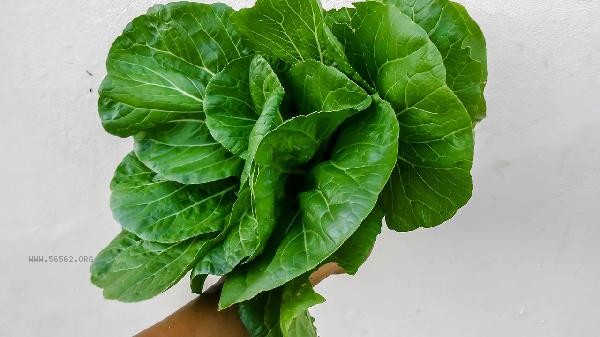
1. Refrigerate
After removing the yellow leaves from fresh rapeseed, wrap the stem with kitchen paper to absorb moisture, put it in a fresh-keeping bag with a small opening for ventilation, and place it in the refrigerator's fruit and vegetable box. Low temperature environment can inhibit microbial reproduction and maintain leaf crispness for about 5-7 days. Be careful not to store it together with fruits such as apples that release a large amount of ethylene to prevent accelerated spoilage.
2. Freezing
Blanch rapeseed in water for 30 seconds, then rinse with supercooled water, drain and pack into sealed bags to remove air. Freeze and store for up to 3 months. Freezing can cause cell wall rupture, and thawing is more suitable for making fillings or stewing. It is recommended to pack according to a single dose to avoid repeated thawing affecting the taste.
III. Cut the pickled
rape and press it into the sterilized container in a ratio of 10:1 in layers with salt, compact and ferment it with heavy materials for 2 weeks to make pickled Chinese cabbage. The acidic environment produced by lactic acid bacteria fermentation can be preserved for more than 6 months, but the sodium content is high, and people with hypertension should control their consumption. The pickling process needs to ensure that the utensils are sterile and avoid contamination by miscellaneous bacteria.
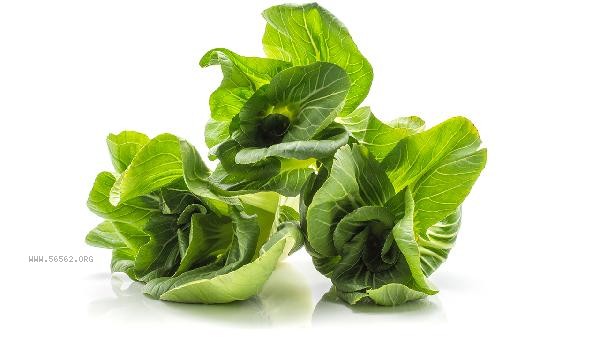
4. Sun drying
Wash the rapeseed and boil it in boiling water for 1 minute. Hang it in a ventilated and dark place to dry for 3-5 days until it is completely dehydrated. Dried rapeseed should have a moisture content of less than 10%, and can be stored in a sealed container with food desiccant for 1 year. Soak in cold water before consumption, although nutrients may be lost, dietary fiber remains intact.
Fifth, vacuum sealing
uses a vacuum machine to remove air from the packaging bag, isolate oxygen, and delay oxidation. It can be kept fresh for 15-20 days in a refrigerated environment. This method can maximize the retention of chlorophyll and vitamin C, making it suitable for preserving tender leaf rapeseed. Attention should be paid to avoiding mechanical damage caused by compression after vacuum packaging.
Different storage methods have varying effects on the nutritional composition of rapeseed. Refrigeration is most beneficial for vitamin retention, freezing can better retain minerals, and drying treatment may lose some water-soluble vitamins but significantly extend the shelf life. It is recommended to choose the appropriate method according to cooking needs, and all rotten parts should be removed and thoroughly cleaned before storage. Regularly check the storage status, and discard immediately if mold or odor appears. Storing together with natural antibacterial ingredients such as onions and garlic can enhance the preservative effect, but attention should be paid to odor penetration.








Comments (0)
Leave a Comment
No comments yet
Be the first to share your thoughts!