
Jujubes can generally withstand low temperatures ranging from minus 5 to minus 10 degrees Celsius. The specific cold resistance ability is affected by factors such as variety differences, tree age, winter management measures, soil moisture, and duration of extreme weather.
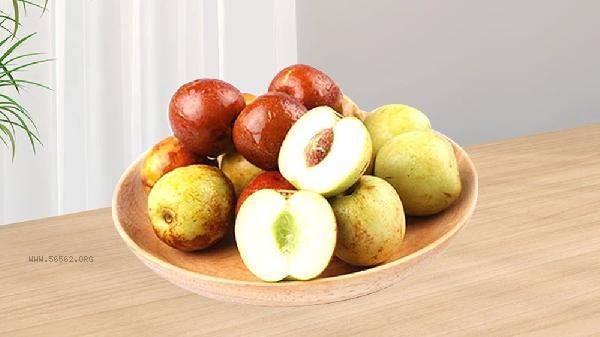
Jujube trees are deciduous fruit trees with strong cold resistance, and most varieties can tolerate low temperatures of around minus 5 degrees Celsius during the winter dormancy period. Jujube trees reduce water evaporation by shedding leaves, and their branches have a high degree of lignification and thick bark, which can effectively resist low-temperature freezing damage. Common jujube varieties in North China, such as golden silk jujube and winter jujube, will not cause severe freezing damage in the short term at minus 10 degrees Celsius under good soil moisture and proper winter management. However, sustained low temperatures or sudden drops in temperature may cause frostbite to newly formed branches, and protective measures such as whitening the trunk and soil filling the root neck should be taken in advance.
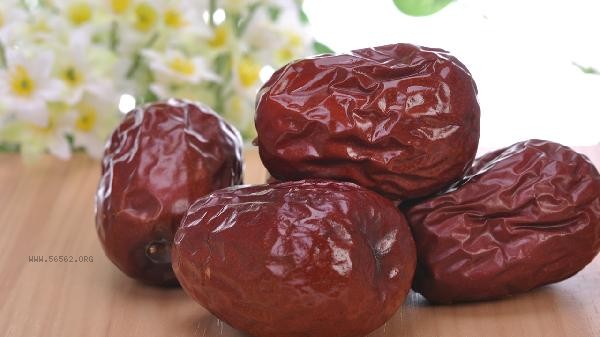
Jujube varieties grown in high-altitude environments in northern regions such as Xinjiang, such as Hami Jujube, can withstand extreme low temperatures of minus 15 to minus 20 degrees Celsius after long-term domestication. These varieties usually have deeper dormancy characteristics, high concentration of cortical cell fluid in branches, and abundant content of antifreeze proteins. However, seedlings or young trees that have been grafted for less than three years have poor cold resistance and may suffer from freezing damage below minus 8 degrees Celsius. Special protection measures such as burying soil to prevent cold or wrapping insulation materials are required.
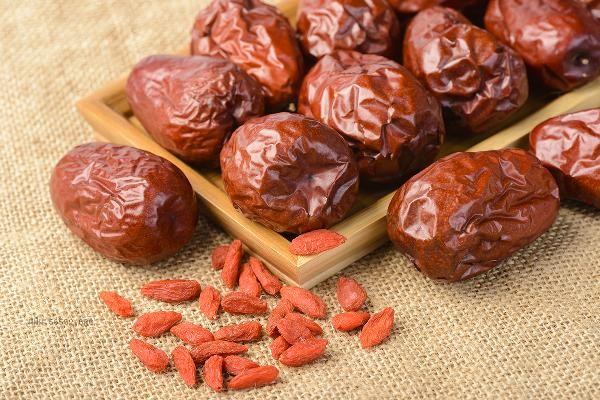
It is recommended to implement comprehensive cold management in jujube orchards before the arrival of winter, including increasing the application of phosphorus and potassium fertilizers in autumn to enhance tree resistance, irrigating frozen water to stabilize soil temperature, wrapping grass ropes around tree trunks or applying lime water to prevent bark cracking caused by temperature differences between day and night. For potted jujube trees or newly introduced varieties from the north, they should be moved indoors or windproof barriers should be built during low temperature weather. If symptoms of frost damage have already appeared, the dead branches should be pruned in a timely manner in spring and nutrient solution should be sprayed to promote tree vigor recovery.








Comments (0)
Leave a Comment
No comments yet
Be the first to share your thoughts!