
Generally, soybeans need to be soaked for 8-12 hours before pressing soybean milk, and the soaking time is affected by the freshness of soybeans, water temperature, season and other factors.
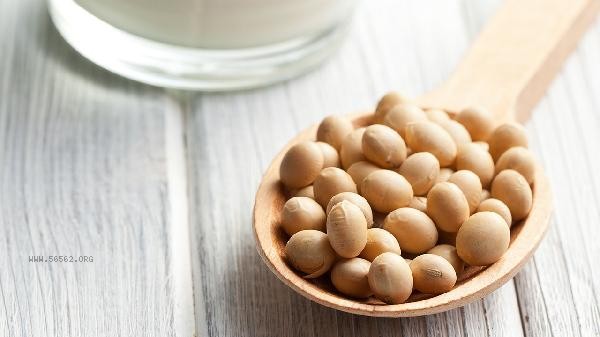
Too short soaking time of soybean may lead to rough taste and low yield of soybean milk. When fresh soybeans or when the temperature is high in summer, soaking them for 6-8 hours can fully absorb water and soften them, and when the temperature is low in winter, it can be extended to 10-12 hours. During the soaking process, the volume of soybeans will expand to 2-3 times their original volume, and the skin will slightly wrinkle and unfold into an ideal state. Soaking in warm water can shorten the time, but the water temperature should not exceed 40 degrees Celsius to avoid damaging the nutrients. Fully soaked soybeans can reduce the wear and tear on the machine during pulping, while increasing the dissolution rate of protein and dietary fiber.
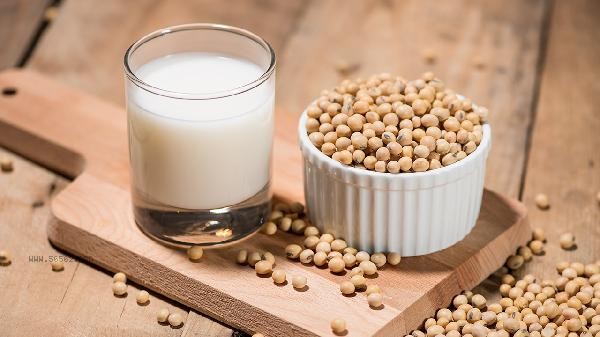
In some special cases, the soaking time needs to be adjusted. Aged soybeans or improperly stored soybeans should be soaked for more than 12 hours, and water can be changed midway if necessary. If a wall breaking machine is used to press the pulp, the soaking time can be shortened to 4-6 hours. Sprouted soybeans can be soaked for 2-3 hours due to changes in cell structure. For people with weak digestive function, it is recommended to extend the soaking time to more than 12 hours and discard the soaking water to reduce bloating factors.
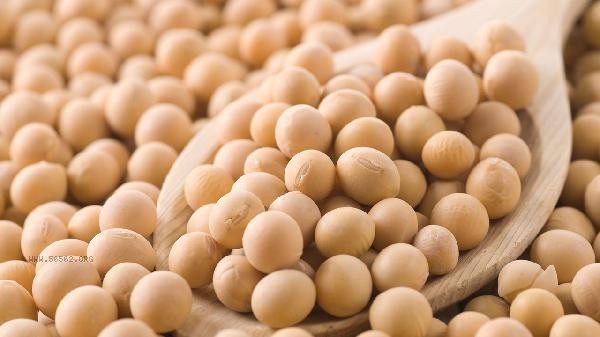
When making soybean milk, in addition to controlling the soaking time, it is recommended to select soybeans with plump grains and no mildew, and then press the milk after soaking. It can be paired with a small amount of brown rice or nuts to enhance the taste. People with gastrointestinal sensitivity should limit their daily consumption to no more than 400 milliliters. The freshly ground soybean milk must be boiled before drinking. The soybean milk stored for more than 2 hours needs to be refrigerated. Before drinking again, it needs to be reheated to boiling to eliminate potential microbial pollution risks.








Comments (0)
Leave a Comment
No comments yet
Be the first to share your thoughts!