
Xiangnuo rice is not steamed rice, and there are significant differences between the two in terms of raw material selection, production process, and taste characteristics. Xiangnuo rice is usually made from glutinous rice as the main ingredient, which is soaked and steamed or directly stewed, and has the characteristics of being sticky, soft, and elastic; Ordinary steamed rice often uses glutinous rice or indica rice, and is steamed with water using an electric rice cooker or steamer, resulting in a relatively loose texture. The main differences include differences in raw materials, water absorption rates, cooking utensils, consumption scenarios, and digestive characteristics.
1. Differences in raw materials
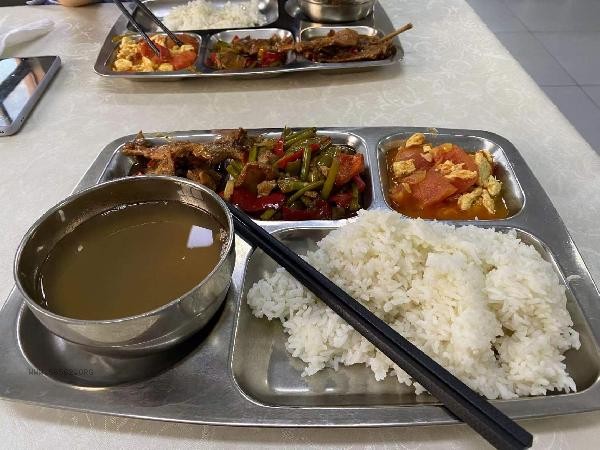
Glutinous rice must use glutinous rice as the basic raw material, and the content of amylopectin in glutinous rice is higher than that in ordinary rice, which is the key substance to form a sticky taste. Ordinary steamed rice usually uses glutinous rice or indica rice, with a high proportion of amylose and distinct grains after cooking. Some special varieties of fragrant glutinous rice will add colored glutinous rice such as purple rice and black rice, further distinguishing it from ordinary steamed rice that is mainly white.
2. Difference in Water Absorption
Glutinous rice absorbs water slower than ordinary rice, and making fragrant glutinous rice usually requires soaking for several hours in advance to allow the rice grains to fully absorb water and expand. Most ordinary steamed rice does not need to be soaked for a long time, and the water absorption rate of japonica rice is about 1:1.2, which can be directly cooked to achieve the desired hardness. This difference results in a longer cooking time for glutinous rice compared to steamed rice.
3. Differences in Cooking Utensils
Traditional glutinous rice is often steamed using a wooden steamer or bamboo steamer, which separates the water and evenly penetrates the gaps between the glutinous rice using steam. Modern households often use electric rice cookers to automatically complete the entire process of water absorption, heating, and insulation when making steamed rice. In some regions, fragrant glutinous rice is stewed in stone pots or pottery jars to create a crispy and fragrant crust at the bottom, which is a flavor level that ordinary steamed rice does not possess.
4. Difference in eating scenes
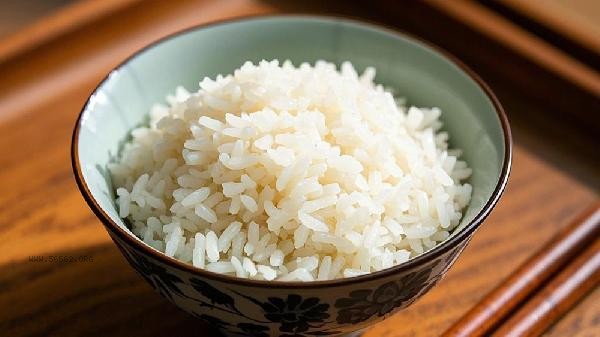
Fragrant and glutinous rice often appears in festival celebrations or special snacks, such as Loong Boat Festival Zongzi, glutinous rice chicken and other derived foods. Regular steamed rice is used as a daily staple food, paired with stir fried dishes and soup. After cooling, glutinous rice will become noticeably harder, and it is usually recommended to consume it while it is hot; The cooled steamed rice is suitable for making secondary processed food such as Fried Rice.
5. Differences in Digestive Characteristics
The branched starch structure in glutinous rice leads to a slower digestion rate of fragrant glutinous rice, and excessive consumption by those with weaker gastrointestinal function may cause bloating. The straight chain starch in regular steamed rice is more easily broken down by amylase, and the digestion burden is relatively small. Patients with diabetes should be aware that the glycemic index of fragrant glutinous rice may be higher than that of ordinary steamed rice.
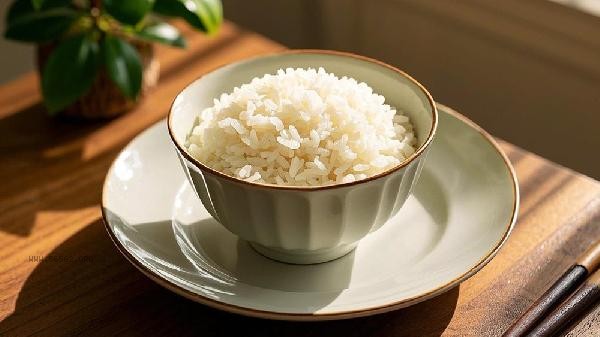
It is recommended to choose rice varieties based on personal physique and dietary needs. When making glutinous rice, pay attention to controlling the soaking time and amount of water added, as excessive softening can affect the taste. People with poor digestive function can eat it together with digestive aid ingredients such as hawthorn and tangerine peel. Storing glutinous rice should be sealed and refrigerated, and consumed within 24 hours to avoid starch aging affecting digestion and absorption. It is recommended to use brown rice or add miscellaneous grains to increase the dietary fiber content for regular steamed rice. When cooking, the rice water ratio should be controlled at around 1:1.5 to achieve the best taste.








Comments (0)
Leave a Comment
No comments yet
Be the first to share your thoughts!