
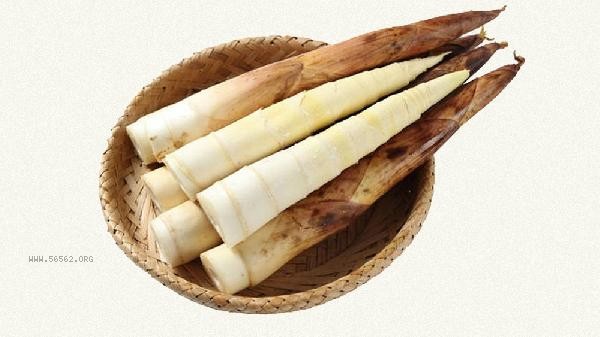
Winter bamboo shoots and bamboo shoots each have their own advantages. Winter bamboo shoots are more suitable for stewing soup or stir frying, while bamboo shoots are more suitable for cold mixing or frying. Winter bamboo shoots have a fresh and tender taste, and are rich in dietary fiber. Bamboo shoots are crispy, tender, and refreshing, with a high mineral content. Winter bamboo shoots are usually harvested in winter, with a delicate texture and a sweet taste. They are suitable for long-term stewing to release freshness. Their dietary fiber helps promote gastrointestinal peristalsis and is helpful in relieving constipation. Winter bamboo shoots contain a high amount of asparagine, which has a diuretic effect and is suitable for people with edema to consume in moderation. Bamboo shoots can be harvested throughout the year, but spring bamboo shoots have the best quality, with a crisp and unique fragrance, suitable for quick cooking to preserve their crispness. Bamboo shoots have a high potassium content, which helps regulate blood pressure, but their oxalic acid content is slightly higher, which can reduce the impact on calcium absorption after blanching. Winter bamboo shoots are expensive due to their long growth cycle and obvious seasonality, making them difficult to preserve. Bamboo shoots have a high yield and affordable price, but some varieties may have a slight astringency and require sufficient processing. Both are low calorie and high fiber ingredients suitable for weight loss, but those with spleen and stomach deficiency should control their intake.
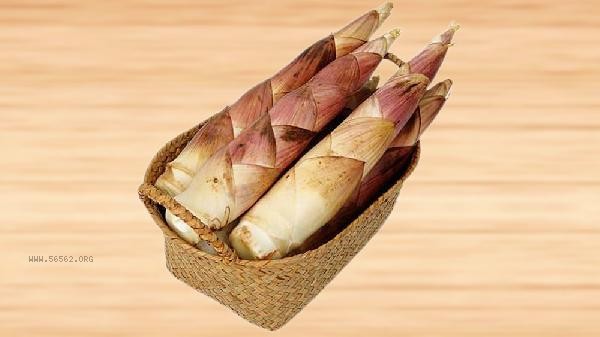
It is recommended to choose bamboo shoots based on cooking methods and physical constitution. Winter bamboo shoots are suitable for warm and nourishing dishes, while bamboo shoots are suitable for light dishes. Before consumption, it is necessary to blanch thoroughly to remove oxalic acid. For those with gastrointestinal sensitivity, ginger and garlic can be used for cooking. When storing daily, blanch and freeze to avoid nutrient loss. It is recommended to consume it two to three times a week, and pairing it with high-quality protein foods is more conducive to nutrient absorption.









Comments (0)
Leave a Comment
No comments yet
Be the first to share your thoughts!