
Orlistat, as a weight loss medication, has certain effects under specific conditions, but it must be strictly used according to medical advice. Orlistat mainly reduces fat absorption by inhibiting gastrointestinal lipase and is suitable for obese individuals with a body mass index greater than 24. Common adverse reactions include oily spots and increased gastrointestinal exhaust.

Orlistat, as a lipase inhibitor, can block the breakdown and absorption of some fats in the diet, allowing undigested fats to be excreted with feces. Clinical data shows that when combined with a low calorie diet and exercise, the average weight loss effect of the population using this medication is more significant than that of lifestyle intervention alone. The inhibitory effect of drugs on pancreatic lipase is dose-dependent and should be taken with meals to achieve optimal results. Common side effects are often related to poor fat absorption, such as urgency in defecation and fat diarrhea, which can gradually alleviate with prolonged medication. Long term use may affect the absorption of fat soluble vitamins, requiring additional supplementation of vitamins A, D, E, and K.

This drug has no effect on the intake of carbohydrates and proteins, and is only suitable for obese individuals who primarily consume a high-fat diet. It is contraindicated for patients with severe chronic malabsorption syndrome, cholestasis, and during pregnancy. Some users may experience liver dysfunction, and transaminases should be monitored regularly during medication. There are individual differences in the effectiveness of medication, and about half of users may not achieve their expected weight loss goals. Compared with other weight loss methods, its weight loss range is relatively limited, and it is usually used as an auxiliary means of comprehensive weight loss programs.
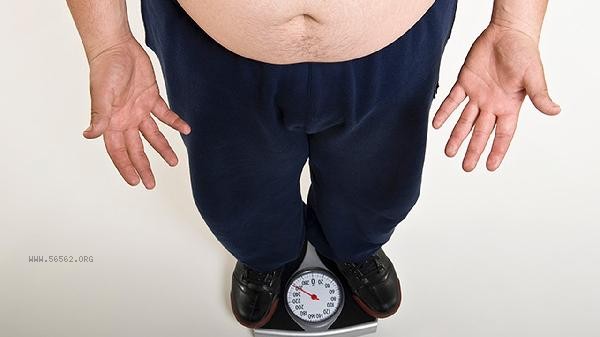
During the use of Orlistat, a balanced diet should be maintained, and daily fat intake should be controlled within 30% of total calories to reduce adverse reactions. It is recommended to engage in moderate intensity exercise for at least 150 minutes per week and avoid using it in combination with cyclosporine, anticoagulants, etc. If severe abdominal pain or jaundice occurs, the medication should be stopped immediately. If the weight loss effect is not satisfactory, the treatment plan needs to be re evaluated. Any weight loss measure should focus on establishing long-term healthy lifestyle habits, and medication intervention should be carried out under the guidance of professional physicians.








Comments (0)
Leave a Comment
No comments yet
Be the first to share your thoughts!