
The weight loss effect is usually better after menstruation, and changes in hormone levels in the body may help with fat metabolism. The weight loss effect is influenced by factors such as dietary control, exercise intensity, and basal metabolic rate, and needs to be combined with scientific methods. Within one week after the end of the menstrual cycle, estrogen levels gradually increase, basal metabolic rate may slightly improve, and the body's utilization efficiency of fat may be enhanced. During this period, engaging in aerobic exercise such as jogging and swimming, combined with appropriate strength training, can more effectively burn the accumulated fat. You can choose high protein, low glycemic index foods in your diet, such as chicken breast, broccoli, oats, etc., to avoid edema and rebound caused by high salt and high sugar diets.
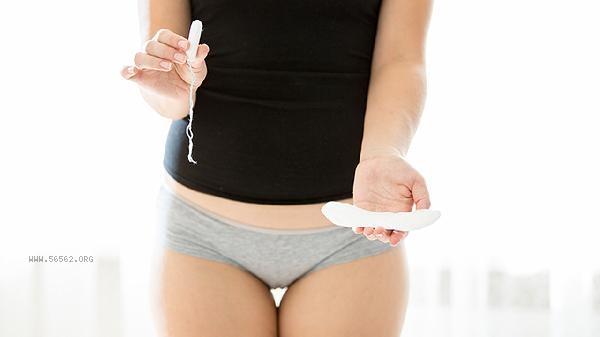
It should be noted that there are significant individual differences, and some women may experience postprandial overeating or incomplete disappearance of edema. Excessive dieting may lead to hypothalamic amenorrhea, and high-intensity exercise may exacerbate fatigue. It is recommended to use changes in body fat percentage rather than just weight as a weight loss indicator, and it is advisable to lose no more than 0.5-1 kilogram per week. Maintaining a regular daily routine can help stabilize leptin levels, and drinking no less than 1500 milliliters of water per day can aid in the elimination of metabolic waste. If accompanied by endocrine disorders such as polycystic ovary syndrome and thyroid dysfunction, the primary disease should be treated first. It is recommended to record the menstrual cycle and weight change curve, and develop personalized plans under the guidance of a nutritionist.








Comments (0)
Leave a Comment
No comments yet
Be the first to share your thoughts!