
Walnut kernels can be peeled manually or by machines, depending on factors such as production scale, cost control, and quality requirements.
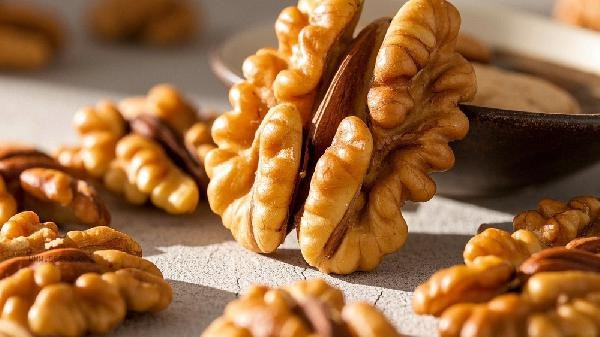
Manual shelling is usually used in small-scale production or scenarios where high integrity of walnut kernels is required. Manual operation can better protect the shape of walnut kernels, reduce breakage rate, and is suitable for high-end markets or special processing needs. During the manual shelling process, workers can select low-quality walnuts to ensure the quality of the final product. This method has high labor intensity and low efficiency, but it can better meet the requirements for the appearance and integrity of walnut kernels.
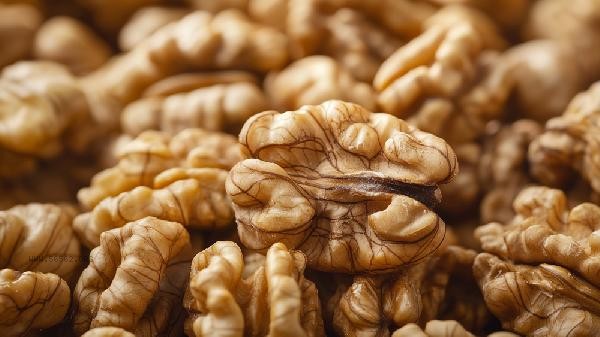
Machine shell peeling is suitable for large-scale production, with high efficiency and relatively low cost. Modern shelling equipment can quickly process large quantities of walnuts by separating the shell and kernel through vibration, compression, and other methods. Machine shelling may cause some walnut kernels to break, but through technical parameter adjustments and subsequent sorting, a certain degree of integrity can still be ensured. This method is suitable for production lines with high output requirements and strict cost control, and can meet the needs of the general consumer market. There is no significant difference in the nutritional value of walnut kernels whether they are peeled manually or by machines. Walnuts are rich in unsaturated fatty acids, protein, vitamin E, and various minerals. Moderate consumption is beneficial for cardiovascular health. It is recommended to choose walnut kernels purchased through legitimate channels and pay attention to storage conditions to avoid moisture and spoilage. For people with special needs, such as those who need complete walnut kernels for baking or gift packaging, manual peeling products can be prioritized.








Comments (0)
Leave a Comment
No comments yet
Be the first to share your thoughts!