
Walking is usually effective for weight loss, but it needs to be judged comprehensively based on factors such as exercise intensity, duration, and dietary control. The weight loss effect mainly depends on the balance between energy consumption and intake. Walking, as a low-intensity aerobic exercise, is suitable for most people to persist in for a long time.
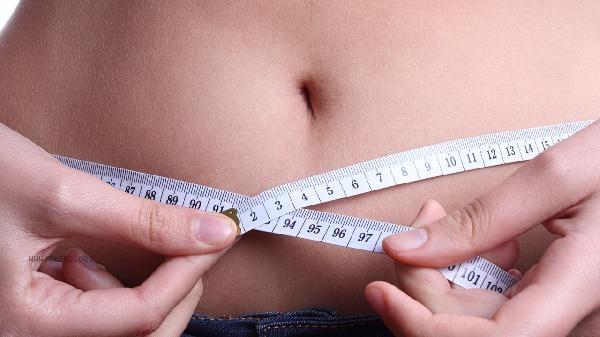
Walking helps reduce fat accumulation by increasing energy expenditure. When walking continuously at a speed of 5-6 kilometers per hour for more than 30 minutes, the body will prioritize mobilizing fat for energy supply, and long-term persistence can improve basal metabolic rate. For people with a larger weight base or weaker exercise foundation, walking has less joint pressure and is easier to maintain. Combining dietary adjustments such as reducing the intake of high sugar and high-fat foods will have a more significant effect. It is recommended to walk at a moderate pace for at least 5 days a week, each time for 30-60 minutes, with a walking frequency of 100-120 steps per minute. If relying solely on walking without controlling diet, the weight loss effect may be limited. A high calorie diet can easily offset exercise expenditure, so it is necessary to avoid overeating after exercise. For individuals who require rapid weight loss or have metabolic disorders, it is recommended to combine other forms of exercise under the guidance of a doctor. When walking, pay attention to choosing sports shoes with good cushioning, avoid hard surfaces such as cement, and stretch before and after exercise to prevent muscle damage. In addition to weight loss, regular walking can also improve cardiovascular function, regulate blood sugar and blood lipids, and alleviate anxiety. It is recommended to integrate walking into daily life, such as commuting walking, climbing stairs instead of elevators, etc. When monitoring weight changes, it is necessary to comprehensively evaluate indicators such as body fat percentage to avoid excessive attention to short-term numerical fluctuations. If discomfort such as knee joint pain occurs, adjust the exercise intensity in a timely manner and consult a professional doctor.










Comments (0)
Leave a Comment
No comments yet
Be the first to share your thoughts!